Few buyers actually want a port-to-port service - they want the goods on the shelf. We join the pieces into a single door-to-door movement with one point of accountability.
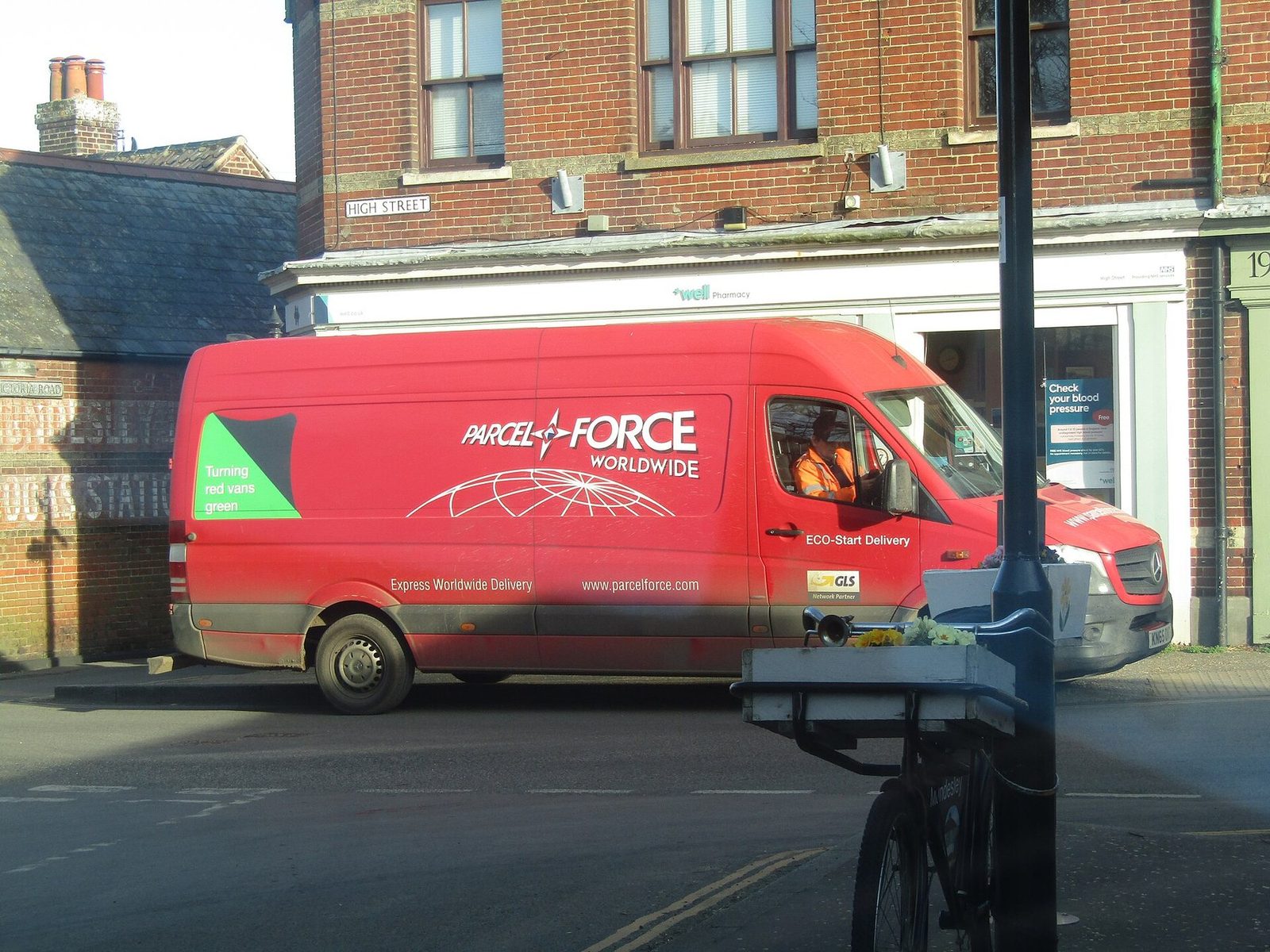
Why the last mile dominates cost
The final leg involves many small drops and is the most expensive part per parcel. Delivery density - drops per stop, stops per route - drives cost more than anything else, which is why dense urban routes are cheap and sparse rural routes are not.
Choosing a service level that survives contact with reality
Next-day is expensive and rarely necessary for non-urgent cargo. A reliable 3-5 day service with accurate tracking usually beats a premium promise that occasionally fails, both on cost and on customer trust.
Surcharges to plan for
Dimensional weight, remote-area fees and redelivery charges are the usual reasons a quoted rate and a final invoice differ. These should be identified up front, not discovered later.
Pulling several suppliers into one movement
A door-to-door shipment often starts as several collections from different factories that have to become one consignment. Doing that well means deciding where the goods meet: at a consolidation warehouse near the port, at a supplier who can hold for the others, or only at the destination. Each option trades cost against control, and the wrong choice shows up as a delay waiting for the last supplier rather than as a line on the invoice.
The planning question is how long the earliest collection can wait. If one factory runs late, an early consolidation means the whole shipment sits; a later consolidation means the risk is compressed into a shorter window but a missed sailing is more likely. Confirming collection windows with each supplier, rather than a single date, is what makes the answer predictable.
Tracking that tells you something
A tracking number is not the same as visibility. Most of the value in tracking comes from knowing which handover has completed and which is next, because that is where shipments actually stall. A reference that only reports movement once cargo is airborne or already delivered tells you nothing you can act on.
What is worth asking for is milestone reporting at the points that have consequences: collected, consolidated, departed, arrived, cleared, out for delivery. We report at each handover rather than only at the end, and we would rather flag a milestone that has slipped as soon as it slips than report on time and explain later. Silent transit is where customer trust goes.
Appointments, delivery windows and failed attempts
The last mile is where the most expensive events happen, and most of them are failures to deliver rather than failures to move. A consignee who was not expecting the goods, a loading bay with no one to receive a pallet, a site with no forklift, an address that is a residential block - these cause the delivery to be attempted, refused and reattempted at cost.
This is why we confirm the receiving arrangements before dispatch: who signs, when the site is open, what equipment is available to unload, and whether the shipment needs a booked slot. Where a delivery might fail, agreeing a safe place or an alternative collection point in advance is usually cheaper than a redelivery charge and always cheaper than a consignee who no longer trusts the date.
It is also worth being honest about what a delivery promise can and cannot survive. A booking made with the receiving hours, the unloading arrangement and the contact name already confirmed behaves very differently from one where those questions are answered by the driver at the gate. The freight has already been paid for by the time the van arrives, so the last few minutes of checking beforehand are the cheapest part of the whole shipment.
- Single point of accountability
- Surrogate delivery options agreed up front
- Proof of delivery captured
- Surcharges identified in advance
Talk to us about door-to-door
Tell us the cargo, the route and the deadline. We will reply with a workable plan and a costed quote.