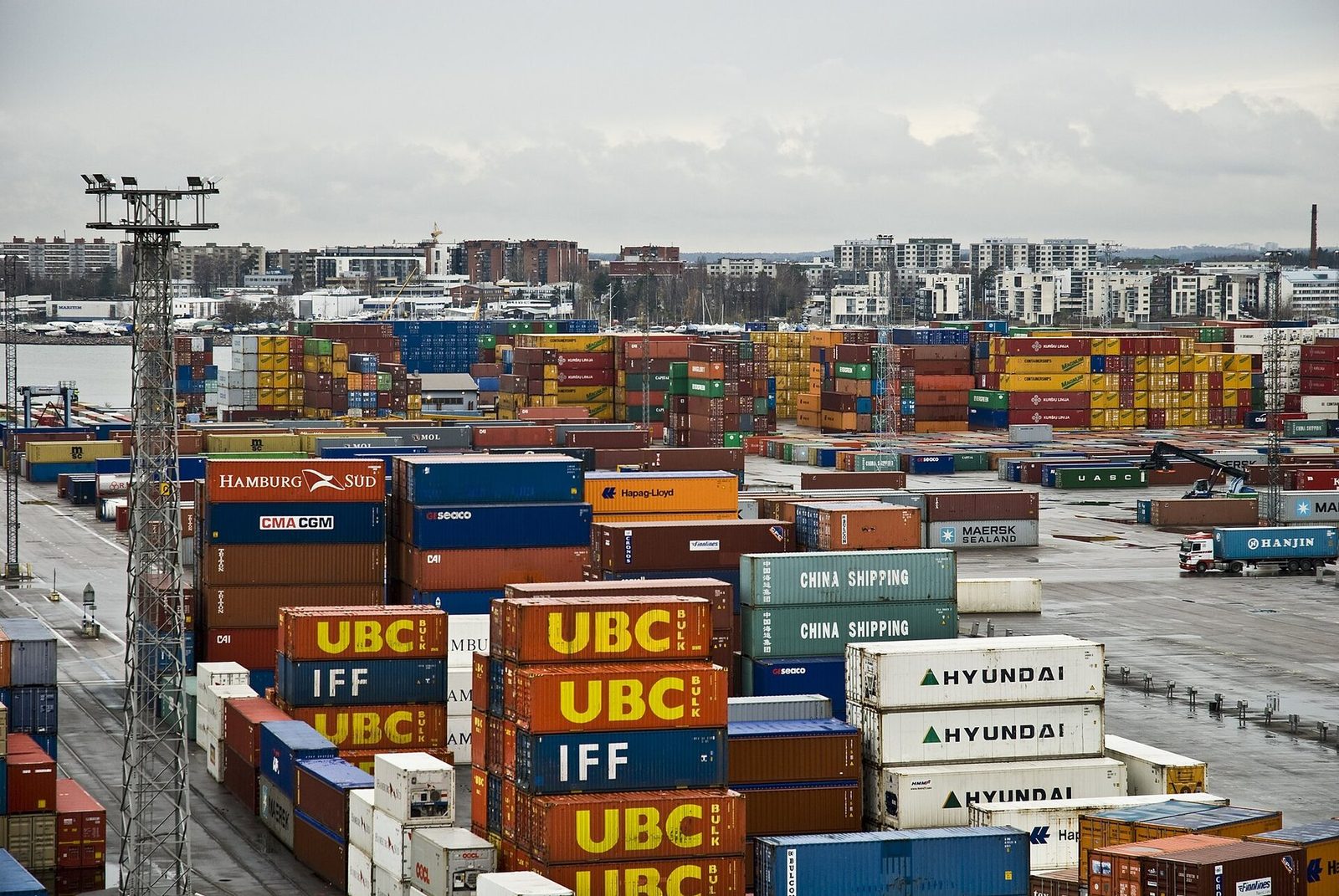
Choosing a service is really choosing a mode and a deadline. The seven below are the links in the chain; most shipments use three or four of them, and the useful question is which link is currently costing you the most time or money.
Start from the constraint, not the mode
Almost every freight decision reduces to one of three constraints. If the constraint is cost, ocean freight is almost always the answer and the work is in getting the inland legs and destination charges quoted up front so the total is known. If the constraint is time, air freight buys days at a price that scales with chargeable weight, and rail sits in between - a genuine middle option rather than a compromise. If the constraint is control, the answer is usually fewer parties: one forwarder owning clearance, warehousing and delivery rather than three who each believe the others are responsible.
That is why we quote the chain rather than the sailing. A container rate that excludes terminal handling at destination, clearance and the final delivery is not a cheaper price, it is a smaller part of one. The same logic runs through warehousing: a low pick fee paired with expensive storage, or the reverse, can flip the total cost of a fulfilment operation without changing a single rate.
Where each service fits
| Priority | Start with | What usually decides it |
|---|---|---|
| Lowest cost per unit | Ocean freight | whether the volume fills a container or shares one |
| Fixed delivery date | Air freight | chargeable weight, and any dangerous-goods paperwork |
| Balance of both | China-Europe rail | the current rate spread, not the published transit |
| Stock already in market | Warehousing & fulfilment | outbound cost per order, and returns handling |
| Documents holding freight up | Customs brokerage | consistency of classification and declared value |
| Several suppliers, one delivery | Door-to-door delivery | delivery density and surcharge exposure |
| Cargo that will not fit a box | Project cargo | route survey, lifting plan and permits |
What we ask for first
Cargo description, weight and volume, the origin and destination, and the date the goods actually need to be somewhere. With those four answers we can recommend a mode, quote the whole chain, and say which parts of the transit are firm and which are a range. If a shipment is close to a break-even point between two modes, we will quote both so the trade-off is visible rather than implied.
Not sure which mode fits?
Send the cargo details and the deadline, and we will come back with a route, a transit range and a costed plan.