Container shipping is the backbone of heavy and bulky trade. We arrange FCL and LCL ocean freight, book space with the carriers, and manage the legs either side so you get one plan instead of five.
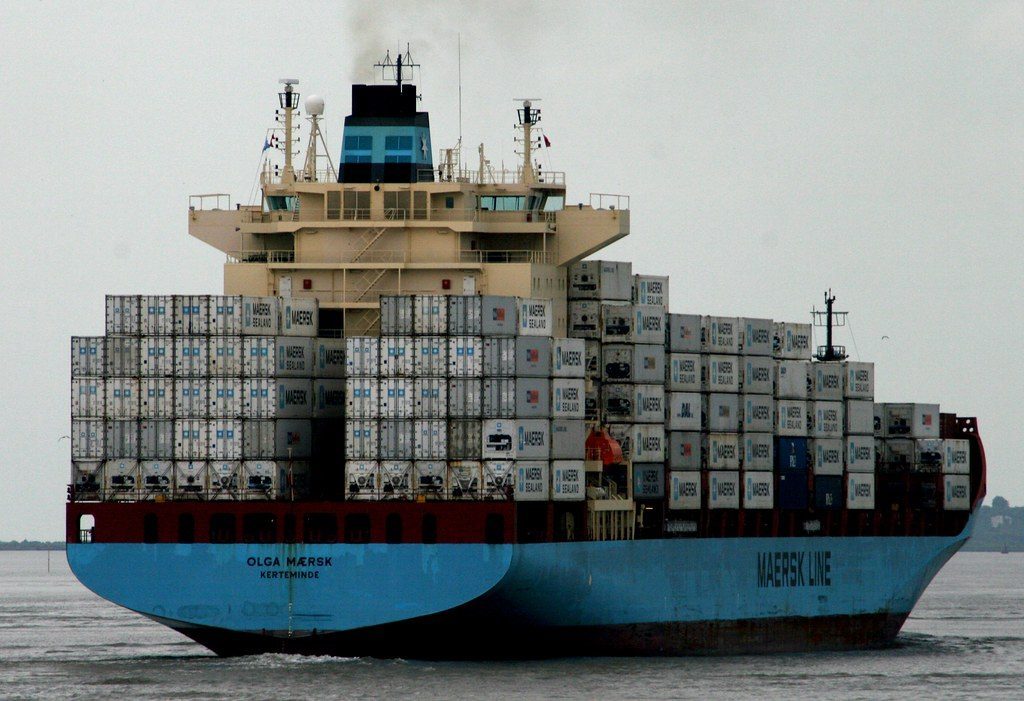
FCL or LCL - matching the mode to the volume
FCL uses a whole 20ft or 40ft container and usually becomes cheaper per unit once cargo passes roughly 15-18 CBM. It also removes re-handling at a consolidation warehouse.
LCL shares space and suits smaller or irregular shipments, at a higher effective cost per CBM and a slightly longer transit because consolidation waits for other cargo.
Space, schedule and season
Carrier rotations, blank sailings and peak-season surcharges all move the effective schedule. We confirm cut-off dates in writing and build a realistic buffer in rather than promising a number the carrier may roll.
Around Chinese New Year and Golden Week space tightens and rates firm up; booking early is the cheapest way to protect a schedule.
The parts people forget
Door-to-door transit includes inland drayage at origin, terminal handling, the sea leg, destination terminal charges, customs clearance and final delivery. We quote and track the whole chain so surprises land on us, not on the invoice.
Booking windows and the discipline around them
Ocean freight is cheap because it is shared, and every shared service has a cut-off. The carrier closes the gate at a published time, the container has to be in the terminal before it, the documentation has to be with the shipping line before that, and the empty container has to be collected from the depot before that again. Each step sits upstream of the next, so the practical planning date is not the sailing date - it is the date the factory has to release the goods.
This is why we confirm cut-off dates in writing rather than quoting a transit time and leaving the working backwards to you. When a shipment misses a gate, the cost is not only the next sailing. It is re-opening the haulage booking, a possible storage charge in the terminal, and a revised delivery date that has to be explained to somebody. Planning the window honestly is cheaper than recovering from a missed one.
Freight rates, surcharges and what actually moves them
A quoted ocean rate is a composite. There is the base freight rate for the lane, then terminal handling at both ends, documentation fees, and a set of surcharges that change faster than the base rate. Fuel-related surcharges, peak-season surcharges and general rate increases all arrive on separate notices from the carrier, and they arrive after a quote was written if the booking is far enough out.
The one that catches people out most often is the peak-season surcharge, because it appears exactly when the cargo is most urgent and the buyer has least room to negotiate. Booking earlier in the season is the only reliable defence: space taken before the crunch is priced before the crunch. Where a rate is genuinely variable, we would rather say so and quote a range than fix a number and re-open it later.
Release at destination: what the paperwork controls
The container arrives before the cargo is legally free to move. Release at destination depends on the bill of lading being in the right form - original, telex release or sea waybill - and on the consignee being able to present what that form requires. A consignee expecting to collect against a telex release while the line holds originals will wait, and the container waits with them.
The same applies to the destination charges. Terminal handling, demurrage and detention are usually billed at destination, to whoever the bill names, and demurrage in particular starts running on a clock nobody at the origin end is watching. Quoting those charges up front, and naming who pays them, is what turns a landed cost from an estimate into a number you can plan against.
| Service | Best for | Planning note |
|---|---|---|
| FCL | Full containers, heavy or bulky cargo | cheapest per unit at volume |
| LCL | Small or infrequent shipments | watch per-CBM fixed fees |
| Buyer consolidation | Multiple suppliers, one shipment | allow extra days for pickup |
| Reefer / out-of-gauge | Temperature-controlled or oversize | subject to equipment availability |
- Cut-off dates confirmed in writing
- Destination charges quoted up front
- One file owner for the whole journey
- Milestone updates, not silence
Talk to us about ocean freight
Tell us the cargo, the route and the deadline. We will reply with a workable plan and a costed quote.