Holding stock closer to the buyer shortens delivery and lowers per-order cost. We set up and run warehousing and fulfilment so inventory sits where demand is, not on a ship.
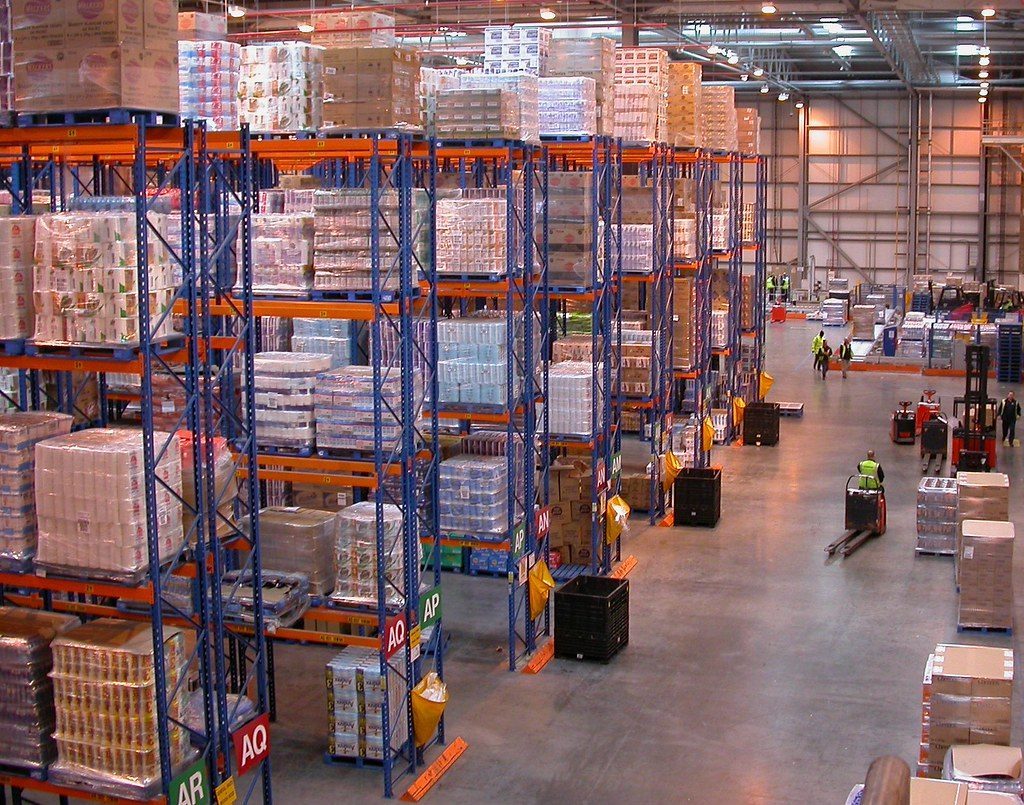
What fulfilment covers
Inbound receiving and put-away, storage, order picking and packing, carrier handover and returns. Good fulfilment also means inventory accuracy and visibility, so a stock-out is visible before it becomes a lost sale.
Cost drivers to compare
Storage is usually charged per pallet or per CBM per month; receiving per inbound unit or pallet; pick-and-pack per order plus a per-item increment; outbound at the carrier rate plus handling. A low pick fee with expensive storage, or the reverse, can flip the total cost.
Peak season is where quotes break
Peak surcharges, capacity guarantees and cut-off times decide whether orders actually ship at the busiest moment. Ask for these in writing before committing volumes.
Where to hold stock, and why that choice is hard to undo
The location of a warehouse is a decision about which cost you are willing to pay. Stock held near a port is cheap to receive and slow to reach the customer. Stock held near the demand is fast to deliver and expensive to replenish. Almost every cross-border seller is really choosing a point on that line.
The practical test is the split between inbound and outbound volume. If shipments arrive in large, infrequent lots and leave in many small orders, the warehouse should sit close to the buyer, because outbound cost is where the money goes. If goods turn over slowly, the reverse applies and the priority is cheap storage and easy receiving. Changing the answer later means moving inventory, which is the most expensive part of any fulfilment migration.
Inventory accuracy is the whole product
Fulfilment looks like a picking and packing service, but what is actually being bought is inventory accuracy. A warehouse that holds stock in the right place at a stated count is useful; one that is broadly right is a source of stock-outs, oversells and endless reconciliation on the seller's side. The visible service is the parcel; the invisible one is the number.
That is why we care about how inbound goods are received and how discrepancies are reported. Receiving against an advance shipping notice, recording what actually arrived rather than what was expected, and flagging differences immediately is what keeps the count trustworthy. It is also why the systems question matters: order data should flow into the warehouse rather than being re-keyed, because every manual step is a chance for the number to drift.
Returns, and why they decide the real cost
Returns are usually excluded from a fulfilment comparison and then dominate the actual bill. A returned parcel has to be received, inspected, and routed to one of several outcomes: restock, refurbish, dispose, or return to the supplier. Each outcome has a cost and a decision rule, and if the rule is not defined in advance the decision gets made slowly and expensively.
The useful thing to agree up front is the policy, not just the rate: how long a returned item waits, who decides its fate, at what value it is worth restocking, and how the restocked item gets back into sellable stock. Returns handled to a written rule are a predictable line in the accounts. Returns handled case by case are a growing pile and an unpredictable one.
| Cost element | Typical basis | Watch out for |
|---|---|---|
| Storage | per pallet / CBM / month | long-term and peak surcharges |
| Receiving | per inbound unit or pallet | non-compliant ASN fees |
| Pick & pack | per order + per extra item | weight/dimension band jumps |
| Outbound | carrier rate + handling | dimensional weight, remote areas |
| Returns | per return + restock | disposal versus restock rules |
- Inventory visible, not assumed
- Peak-season capacity agreed in writing
- Returns handled to a defined rule
- One rate card, no surprise lines
Talk to us about warehousing & fulfilment
Tell us the cargo, the route and the deadline. We will reply with a workable plan and a costed quote.