Container Weight, VGM and the Overweight Problem
Verified gross mass, payload limits, road axle weights and the overweight charges that arrive after the fact. How to keep a container legal at every leg.
The container's limit is not the only limit
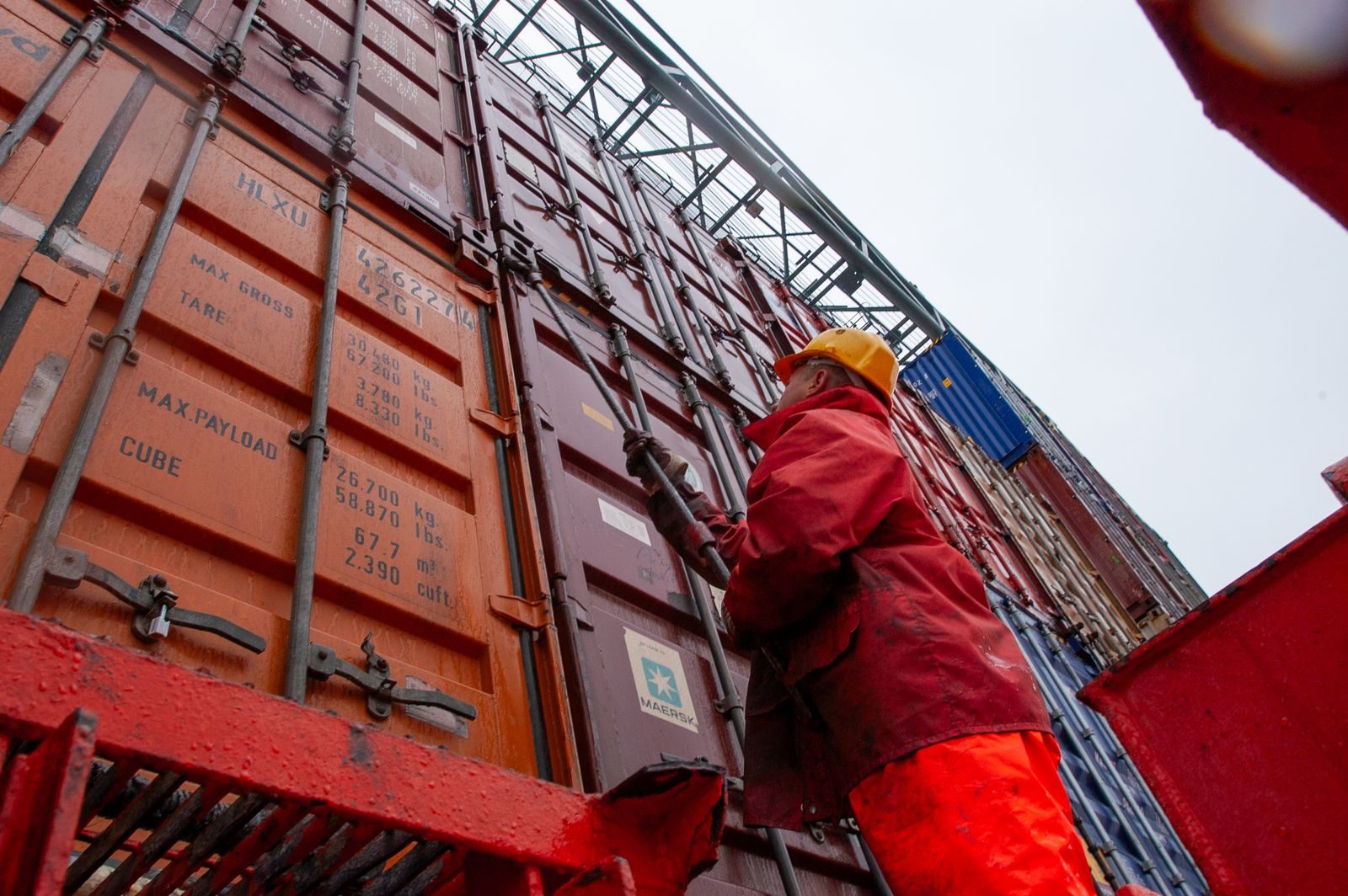
A container has a maximum gross mass marked on its door, and the payload available to the shipper is that figure minus the tare weight of the box itself. That much is arithmetic. The difficulty is that the container's own limit is rarely the binding constraint - the road axle weight limits on the inland legs often are.
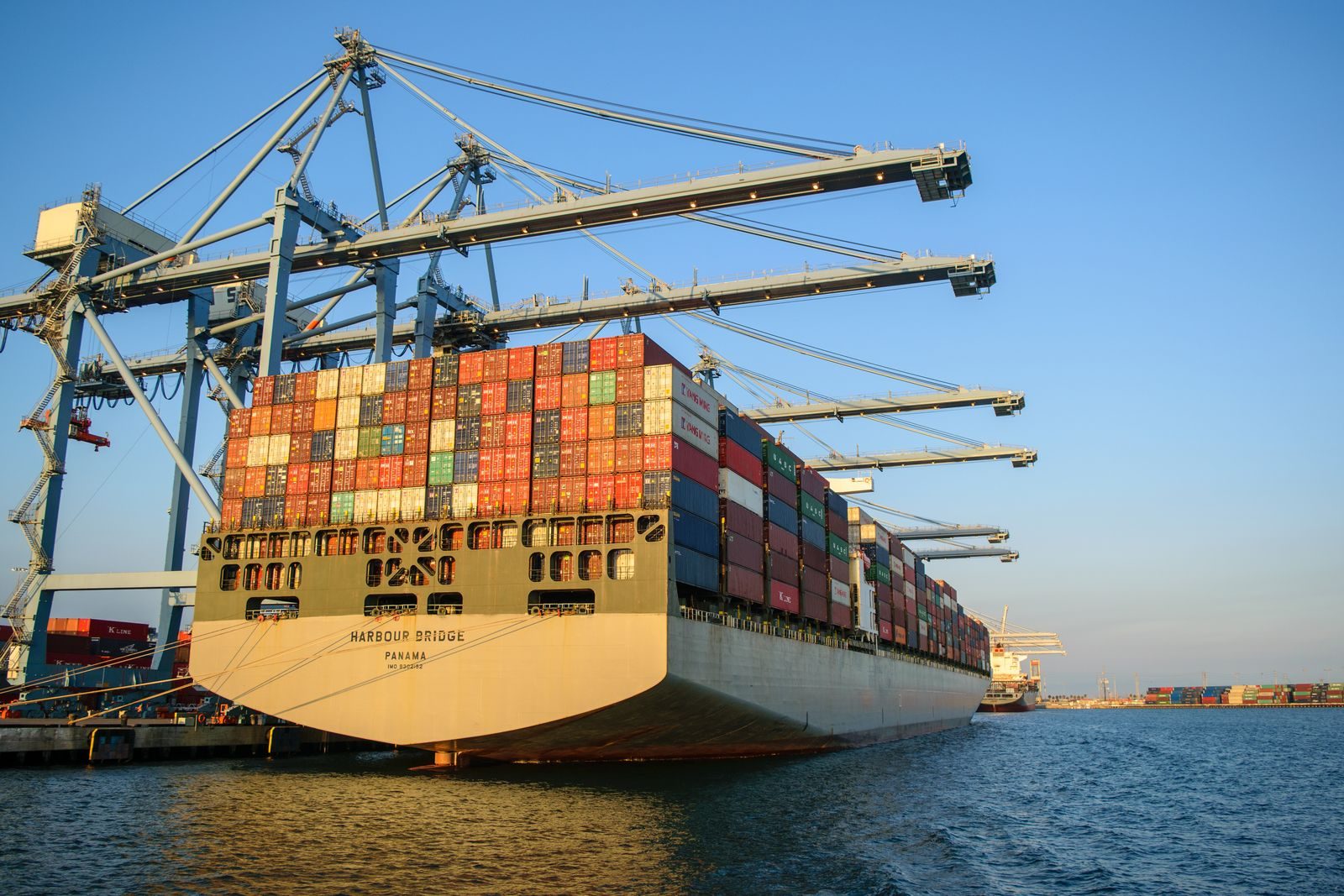
A 20ft container lifted by crane at a terminal may be perfectly legal and completely illegal on the truck that has to move it from the port to a warehouse. Because the inland leg is where enforcement happens, a consignment planned to the container's ceiling can be stopped before it ever leaves the port area.
Verified gross mass, and why it exists
A container's gross mass must be verified and declared before it is loaded aboard a vessel. The requirement comes from the international convention that governs safety of life at sea, and its purpose is direct: an undeclared or understated container mass is a stability risk to the vessel and a safety risk to everyone handling the box.
The verification has to be a real measurement or a certified calculation method, produced by the shipper and passed to the carrier in time for the loading plan. A figure estimated from the invoice and the packing list is not a verification, and a mismatch discovered at the terminal is a container that does not sail.
Where the weight actually accumulates
Overweight surprises rarely come from the product. They come from the packaging and the dunnage: heavy timber crating, pallets that were heavier than the specification, steel strapping, blocking and bracing, and the moisture the cargo absorbed on the way to the port.
That last one is easy to dismiss and hard to argue with. Timber and paper-based packaging can gain a meaningful percentage of their own weight between the factory and the vessel, which is why a consignment weighed at the factory and never re-weighed can arrive above its declared figure. Weighing the packed and sealed container, or using a certified method, is the only way to know.
What overweight costs, and when
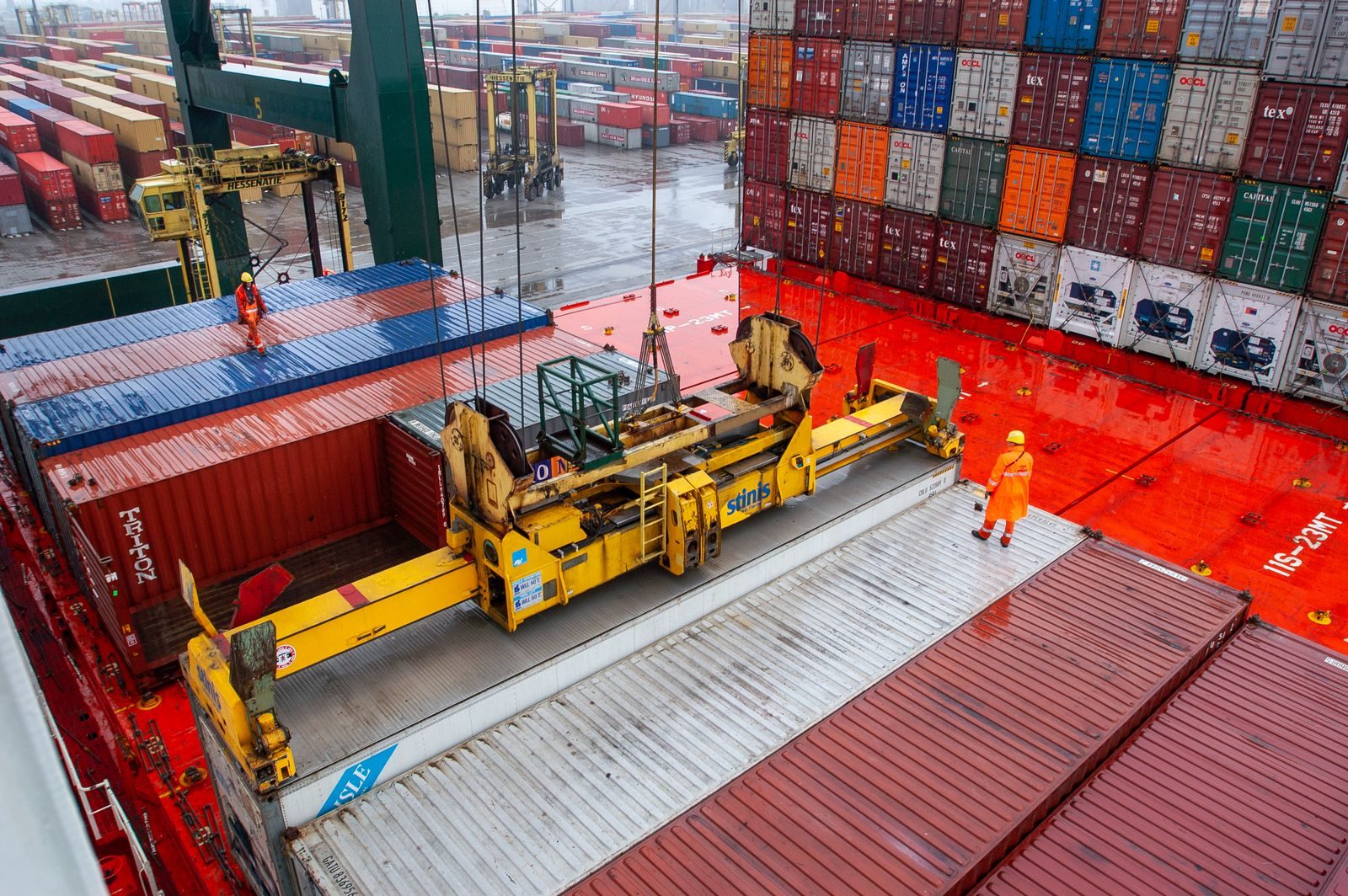
The costs arrive in sequence and each is more expensive than the last. First, a re-weigh and a delay at the terminal. Then, if the container is already on a road leg, a permit or a re-handling operation to redistribute the load or split it. Then, if the container is loaded and the discrepancy is found at the port of discharge, a demurrage-and-detention argument, a transhipment problem and an overweight penalty in the destination market.
The pattern to notice is that none of these costs are incurred by the party who could have prevented them most cheaply. The shipper controls the packing; the forwarder carries the consequence. That is why a forwarder will usually advise weighing, and why the advice is worth taking even when the arithmetic looks comfortable.
Designing the load rather than discovering it
The planning answer is to work backwards from the most restrictive limit rather than forwards from the container. Establish the road axle limits on the inland legs, subtract the tare weight and the packaging, and the resulting payload is the real ceiling - which is frequently well below the container's marked maximum.
Then design the load to that ceiling. Denser cargo should be spread rather than concentrated over one axle pair; heavy items benefit from being loaded low and centred; and where a consignment is genuinely near the limit, splitting into two lighter containers is often cheaper than the penalties and delays of one heavy one. The decision costs nothing at the planning stage and cannot be made from a crane.
References
The requirement to declare a container's verified gross mass comes from the safety-of-life-at-sea convention administered by the International Maritime Organization. Container and transport terminology follows the ordinary trade usage described under intermodal container, and the risk position through the road legs is set by the trade term rather than by the mode (Incoterms).
| Limit | Where it bites | Who sets it | What happens if exceeded |
|---|---|---|---|
| Container maximum gross mass | Marked on the door | Container specification | Box rejected; structural risk |
| Payload (max gross minus tare) | At the stuffing point | Arithmetic | Overweight container |
| Road axle weight | The inland leg | Road traffic rules | Permit, fine, or the load must be split |
| VGM declaration | Before loading aboard | Safety-of-life-at-sea convention | Container does not sail |
| Port and terminal limits | Lift and haulage equipment | Terminal operator | Re-handling at shipper's cost |
What is VGM and who provides it?
Verified gross mass is a measured or certified figure for the packed container's total mass, declared before the container is loaded aboard. The shipper produces it and passes it to the carrier. An estimate built from the invoice and packing list is not a verification.
Why does my container pass the port but fail on the road?
Because the road axle limits on the inland leg are usually tighter than the container's own maximum. Enforcement happens on the road, not at the crane, so a box that lifted legally at the terminal can still be over the limit for the truck that has to move it.
Can a container gain weight in transit?
Yes, particularly with timber and paper-based packaging, which can absorb moisture between the factory and the vessel. That is why a figure weighed at the factory and never re-checked can drift above its declaration, and why weighing the packed and sealed container is the reliable route.