Demurrage and Detention: The Charges Nobody Budgets For
Free time is a deadline, not an allowance. How demurrage and detention accrue, where the clock actually starts, and how to plan the inland leg so the meter never runs.
Two charges, two different clocks
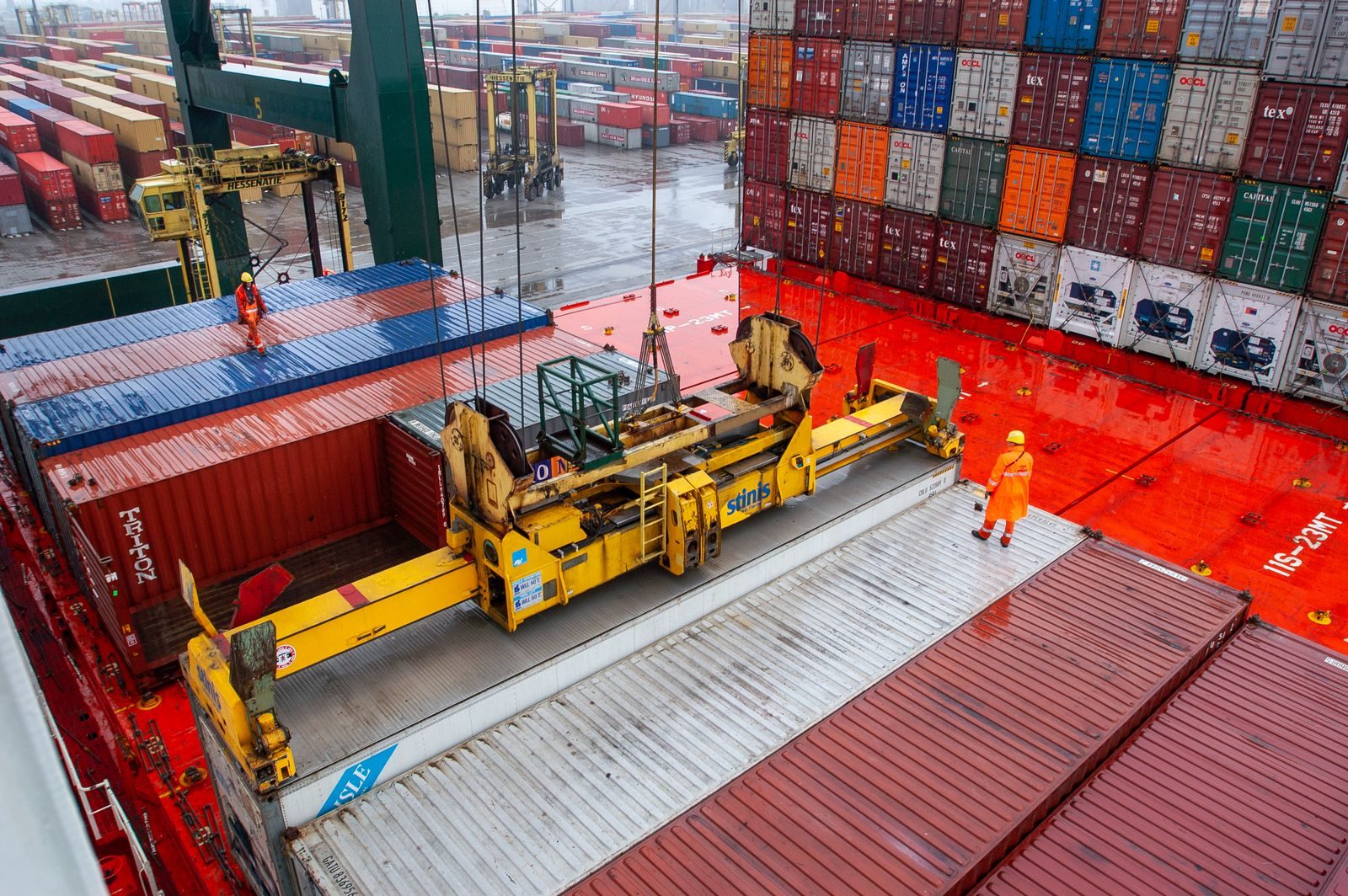
Demurrage and detention are often spoken of as one cost and they are two, running against two different clocks. Demurrage is charged on the container while it sits at the terminal, past the free time allowed for collecting it. Detention is charged on the container while it is in the merchant's hands, past the free time allowed for returning it empty.
That distinction matters because the two charges have different causes and different remedies. Demurrage is usually caused by something upstream of the port - a customs query, a missing document, a haulier who was never booked. Detention is usually caused downstream - a receiver that unloads slowly, a return that is not scheduled, or a depot that is closed when the truck arrives.

Where the clock actually starts
Free time does not begin when the ship sails, and it does not begin when the container is discharged. It begins at the point the carrier's tariff defines - commonly the day the container is discharged from the vessel, or the day it is made available for collection, whichever the tariff states. The difference between those two events can be several days at a congested terminal.
The clock also runs on calendar days, not working days, and it does not pause for a weekend, a public holiday or a depot closure. A shipment that arrives on a Friday before a long weekend can consume three days of free time before anyone has had a chance to collect it. Reading the tariff rather than assuming the standard, and counting the days against the arrival date before booking anything inland, is what turns this from a surprise into a plan.
Why the inland leg is the real constraint
The charge is triggered by the port side, but it is caused inland. A container cannot be returned until it is empty, and it cannot be emptied until it reaches the receiver, and it cannot reach the receiver until it is cleared and a haulier is available. Each of those steps has its own queue, and the queues compound.
The practical consequence is that demurrage and detention are a haulage and documentation problem more often than a shipping one. The questions that decide the exposure are whether clearance is prepared before arrival, whether the haulier is booked against the actual discharge date rather than the scheduled one, and whether the receiving site can take the box on the day it is offered. Any of those going wrong consumes free time at a rate no shipping rate negotiation can recover.
The arithmetic that makes it worth planning
Demurrage and detention are priced to deter, and they escalate. A typical tariff steps up after the initial free period, then steps up again, so a container that overstays by a week can cost more than the ocean freight on the same box. Because the charges are levied per container per day, a handful of boxes stuck at once multiplies the exposure quickly.
The comparison to make is not the charge against the freight rate but the charge against the cost of avoiding it. Reserving a haulier slot, paying for a clearance review before arrival, or holding a receiver open for a delivery window are all small costs beside the daily step-up. When the exposure is stated in those terms, the preventive spend usually looks cheap - and it is a decision that has to be taken before the vessel berths, not after.
Where a warehouse changes the calculation
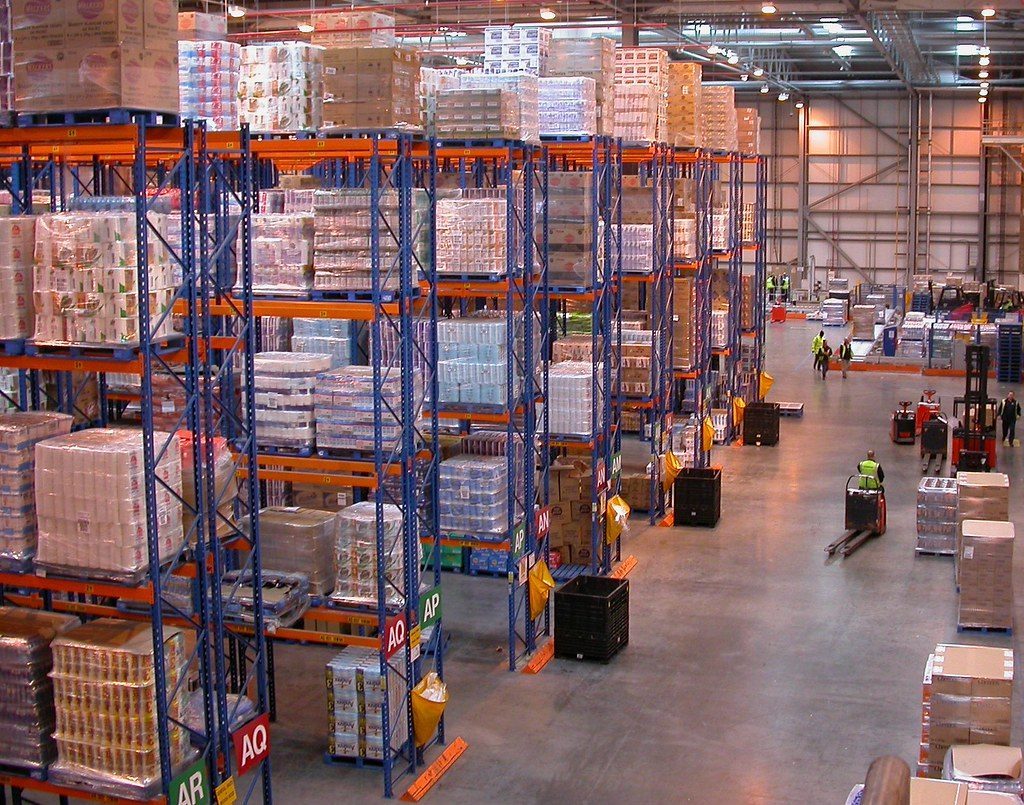
The most reliable way to stop the clock is to have somewhere for the goods to go the moment they are cleared. A consolidator or fulfilment operation that receives a container, devans it into storage and releases the empty box on the same trip removes the two slowest steps - finding a receiver ready to take the load, and finding a truck to bring the empty back.
That is the operational argument for using a partner that already owns the warehouse and the yard relationship. A cross-border fulfilment operation such as Dropioneer, which holds and ships stock for sellers out of its own facility, can take a container into store instead of waiting for a customer's loading dock to become free, which is the step that most often runs the meter.
Planning the free time into the booking
The discipline is to treat free time as a deadline in the shipment plan, exactly as the vessel cut-off is treated. That means confirming the tariff's definition of the start of free time, counting calendar days from the expected discharge, and booking the inland move, the clearance and the unload against that date with a margin rather than against the vessel's arrival.
It also means agreeing in advance what happens if the box is not cleared in time: who authorises a diversion into store, who pays for it, and who tells the carrier. A plan that answers those three questions before the vessel berths is worth more than a favourable free-time negotiation, because it is the difference between a cost that is managed and one that is discovered on an invoice six weeks later.
References
The container system within which these charges arise is described under containerisation, and the party that arranges the inland legs and the documentation under freight forwarder. The clearance obligation that most often starts the clock is covered under customs. The trade rules within which national clearance regimes sit are the business of the World Trade Organization, and the standard trade terms that allocate these costs between buyer and seller are published by the International Chamber of Commerce.
| Charge | Levied on | Clock runs from | Usual root cause |
|---|---|---|---|
| Demurrage | The container, at the terminal | Discharge / availability, per the tariff | Clearance delay, missing document, no haulier booked |
| Detention | The container, in the merchant's hands | Collection of the full box | Slow unload, return not scheduled, depot closed |
When does free time start?
At the point the carrier's tariff defines, which is usually discharge from the vessel or the day the container is made available for collection - not the vessel's arrival and not the sailing date. The two events can be several days apart at a congested terminal, so the tariff wording, not an assumed standard, is what should be planned against.
Are demurrage and detention charged on working days?
Normally calendar days. Weekends and public holidays usually count against free time and continue to accrue charges, and depot closures do not pause the meter. A container arriving before a long weekend can lose several days of free time before anyone has a chance to act.
How can the charges be avoided rather than negotiated?
By planning the inland leg before the vessel berths: clearance prepared in advance, a haulier booked against the actual discharge date rather than the schedule, and a receiving site that can take the box the day it is offered. Where the receiver is not ready, diverting into a warehouse that devans and returns the empty removes the two slowest steps.