FCL or LCL? A Practical Way to Decide
How to choose between full-container and less-than-container ocean freight without guessing.
The break-even is real, but it is not the whole story
The usual rule of thumb is that FCL becomes cheaper per unit somewhere around 15-18 CBM on a typical Asia-Europe lane. That is directionally right, but the break-even moves with the lane, the season and the current spread between container rates and LCL rates, so it should be recalculated rather than assumed.

The costs that hide inside LCL
LCL quotes often look low per CBM because the fixed fees sit elsewhere: consolidation, CFS handling, documentation and a destination-side deconsolidation charge. Add those and the effective cost per CBM rises. The other LCL cost is time, because consolidation waits for other cargo.
What FCL buys you besides rate
A container that is yours from origin to destination is handled less, arrives sealed and gives a cleaner claim position if something is damaged. For fragile or high-value goods that can justify FCL before the arithmetic does.
A simple decision path
Under roughly 15 CBM with no urgency: LCL. Over 15 CBM, or fragile, or sprinter-urgent: FCL. Multiple suppliers feeding one shipment: price both options deliberately, because the pickup plan is often the deciding factor.
What actually drives an LCL price
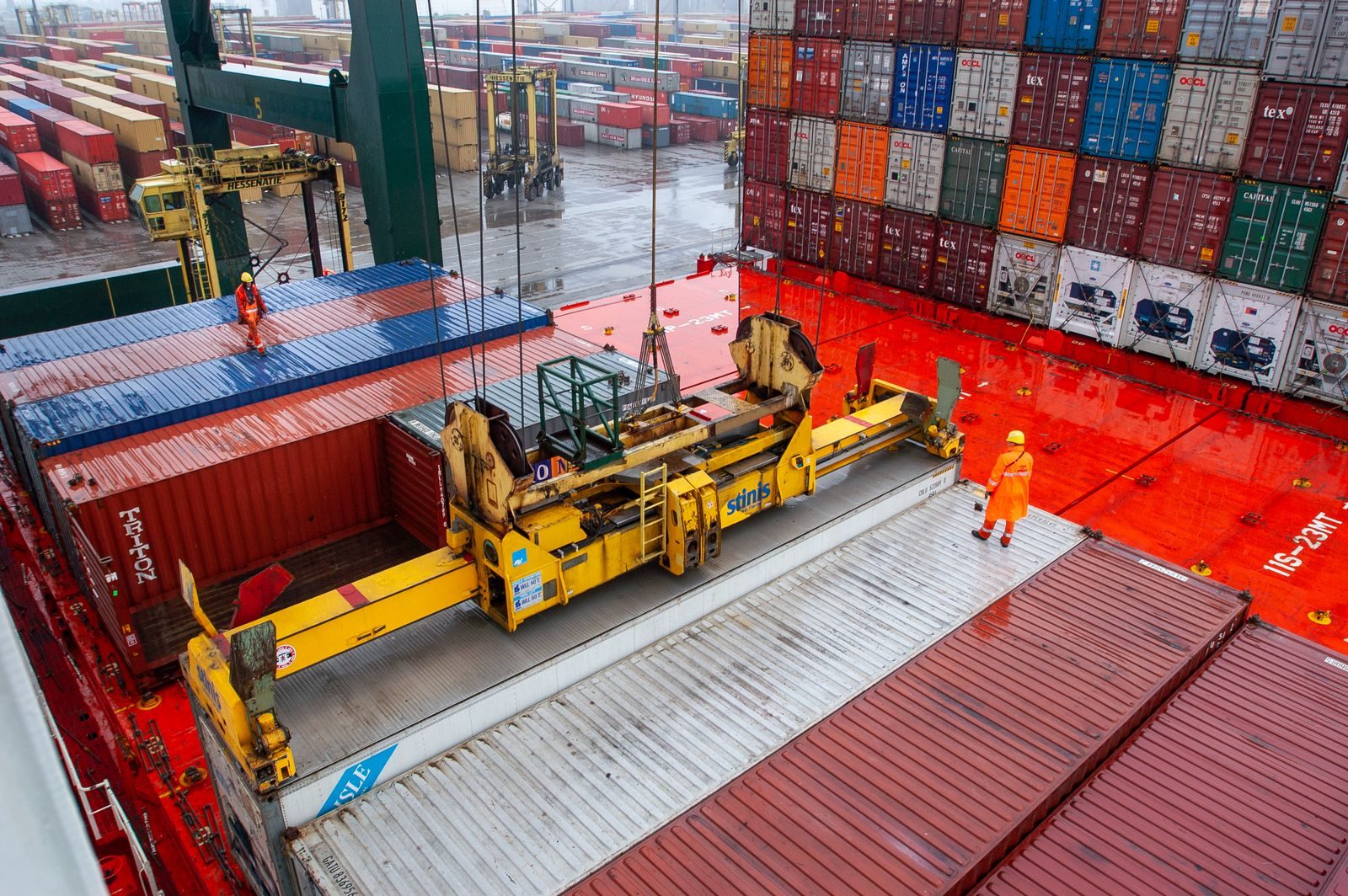
LCL is not billed per cubic metre in the simple way most people assume. It is billed per revenue ton, which means the greater of one cubic metre and one thousand kilograms. Light, bulky cargo is therefore charged on the space it occupies, and dense cargo on its weight. A shipment of foam packaging and a shipment of ceramic tiles of identical volume can be priced on completely different logic.
On top of the freight there is a set of fixed charges that do not shrink with the shipment: documentation, export customs handling, terminal or CFS charges at both ends, and a destination deconsolidation fee. Those fixed lines are why a small LCL shipment can cost almost as much as a slightly larger one, and why the perceived cheapness of LCL per cubic metre is misleading at low volumes.
Revenue ton is the unit worth understanding first
Once you know which measure applies to your cargo, you know what to optimise. If the charge is on volume, then reducing packaging bulk, nesting items and cutting pallet overhang directly reduces the freight. If the charge is on weight, that effort is wasted and the conversation is about loading the container more heavily within legal limits instead.
This is also where the FCL comparison should start. A 20ft container holds roughly 28-33 cubic metres of usable volume and can carry around 21-28 tonnes depending on the road weight limits on the inland legs, so the practical constraint is often road axle weight rather than the container itself. Comparing a rate per cubic metre against a flat container rate only makes sense once you have worked out which of those two limits your cargo hits first.
Transit time, and the wait that is not on the schedule
LCL cargo departs to a cut-off and consolidates with other shippers' cargo. If one co-loader is late, the container can be delayed, and if the container fills early the rest rolls to the next sailing. Neither event is visible in a quoted transit time, and both are more likely in peak season. FCL is loaded when you are ready and sails when it is full of your own goods.
The practical consequence is that LCL transit should be planned as a range rather than a date. Where the arrival date matters, either buy the container or hold a few days of safety stock at the destination so a one-sailing slip is absorbed by inventory rather than by a customer.
The handling and claim position is different too
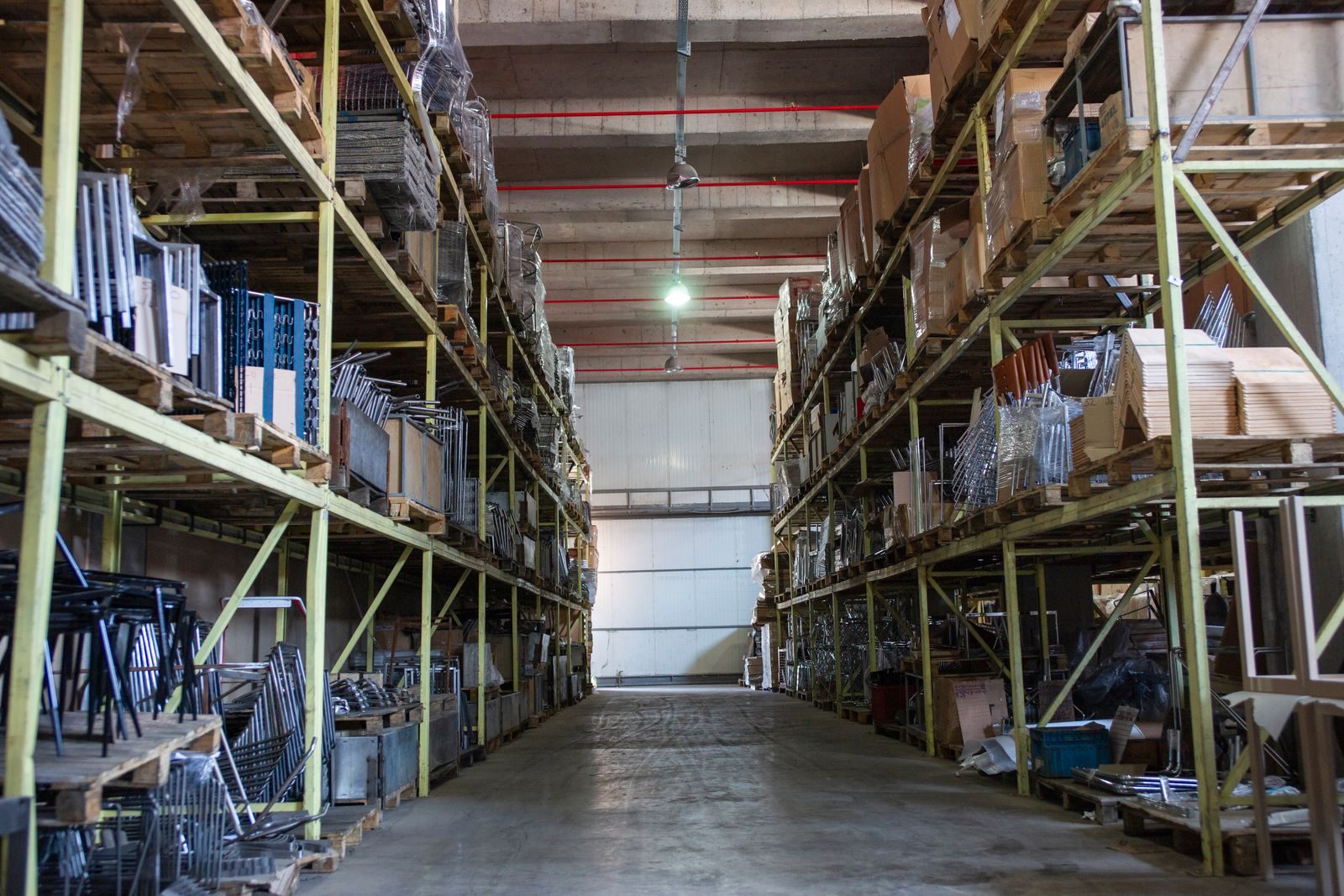
In LCL your cargo is consolidated with other cargo, moved into and out of a shared container, and deconsolidated at destination. Every one of those steps is a handling event, and a handling event is where damage and shortage happen. The container is also opened and resealed by others, which weakens any argument about when a problem occurred.
FCL keeps the container sealed from the stuffing point to the destination terminal, which is a materially better position for fragile, high-value or theft-attractive goods. For those categories the case for FCL is usually stronger than the arithmetic alone suggests, because the alternative is a claim that is hard to win.
Where the trade terms sit in the decision
Under FOB or EXW the buyer controls the main carriage, so the buyer effectively chooses between FCL and LCL. Under CIF or similar terms the seller arranges it, and the buyer may have little say beyond asking. If the choice matters to you, it is worth settling the mode before the trade terms are agreed, because the Incoterm quietly decides who is allowed to make this call.
Duty is generally unaffected by the mode - customs value is built from the goods, not from how they travelled - but insurance cost is not, and neither is the risk period. A change of mode is therefore a change to the cost structure and the risk profile at the same time, and it is cleaner to make it deliberately than to discover it in a cost review.
A practical way to compare, instead of a rule of thumb
Build both totals with every fixed charge included, then re-run the comparison at a few volumes - eight, twelve, fifteen and eighteen cubic metres - rather than at your current volume alone. The point where the lines cross is the break-even for this lane, this season and this rate level, and it moves. It is not a number to memorise, it is a number to recalculate when rates move.
Then overlay the things the arithmetic cannot see: how fragile the goods are, how much the arrival date matters, whether several suppliers are feeding one shipment, and how much handling the product can survive. The cheapest option on the page is often not the cheapest option once a damage claim or a missed season is priced in. For shipments that fall awkwardly between the two, splitting the volume - most of it in a container, the urgent remainder by air - is often better than forcing the whole lot into the wrong mode.
A container is a loading problem before it is a cost problem
A 20ft general-purpose container has roughly 33 cubic metres of internal volume and a 40ft high cube closer to 76, but almost nobody actually uses all of it. Cartons are rectangular, containers are rectangular, and the gap between the two is void space you pay for. Whether a palletised load is two-wide or three-wide, and whether the pallets are 1200 by 1000 or the 1200 by 800 euro size, changes the usable volume far more than the choice between the two container lengths does.
This is why a stuffing plan is worth producing before the container is booked. Seeing the carton dimensions and pallet footprints laid out reveals whether you need a 40ft, whether the load will be weight-limited before it is volume-limited, and whether pallets should be loaded singly or double-stacked. It also tells you when a shipment that looked like a comfortable FCL is actually a partial load, which is exactly when the comparison against LCL deserves to be revisited.
Seasonality is when the rule of thumb stops working
The break-even between the two modes is not a fixed physical constant; it moves with the rate market. In the weeks before Chinese New Year and around Golden Week, factory output is compressed and space tightens, general rate increases are announced, and rollovers become normal. In that window LCL cargo is more likely to be delayed by consolidation and a container rate that looked expensive in March can look reasonable in December.
Blank sailings cut effective capacity on a route with almost no notice, and peak season surcharges arrive as an additional line rather than as a higher base rate. The practical response is not to predict the market but to leave room for it: book earlier than the calendar suggests during peak periods, ask whether a quoted rate is subject to a general rate increase, and treat the arrival date in a peak period as a range with a buffer built into the promise.
What should be in writing before anything is booked
Five things prevent most disputes. The cut-off date and time, in writing, with the understanding that a rolled container is the carrier's decision rather than the forwarder's. Whether the quote is all-in or subject to destination charges, because a rate that excludes terminal handling and deconsolidation at destination is not comparable to one that includes them. The free time allowed at both ends for demurrage and detention, since this is where a small delay becomes a large invoice.
Then the two questions that decide who does what: who is clearing customs at each end, and who is named as consignee and notify party. Getting those wrong delays release even when the cargo has arrived, and correcting them after issue costs amendment fees and days. A booking confirmation that answers all five is a short document, and it is the difference between a shipment that runs quietly and one that produces a week of email.
The coordination cost of filling a container from several suppliers
Buying enough volume to justify a container is easy; getting it to one place at one time is not. A container loaded from four suppliers means four collection points, four sets of cartons arriving on four different dates, and a stuffing plan that has to tolerate one of them being late. The per-supplier collection charge, the waiting time at each factory and the risk of a late arrival forcing a rollover are all real costs of the FCL route, and they do not appear on a rate card.
This is the point at which an honest comparison stops being a per-cubic-metre calculation. If the suppliers are close together and their production schedules align, a consolidated container is straightforward and clearly the better option at volume. If they are spread across a province and the delivery dates are set by their own production, the coordination overhead can eat the saving, and several LCL shipments that each leave when they are ready may genuinely be cheaper once the waiting, storage and rework are counted. The question to answer first is not which mode is cheaper but whether the cargo can actually be assembled in one place in time.
Reference points on container shipping
The mode definitions used here follow the ordinary trade usage: a full container load carries one shipper's cargo in an intermodal container, while less-than-container load consolidates several shippers' cargo into one box. Where a shipment is declared on a verified weight, the requirement comes from the International Maritime Organization.