Last-Mile Delivery: Choosing the Option That Fits the Parcel
Courier, postal network, carrier service, local fleet or locker: the last mile is where cost and customer experience are decided. How to match the option to the parcel.
The last mile is where the money and the margin sit
The final leg of a delivery - from a local hub to the customer's door - is the most expensive part of most fulfilment chains per unit of distance, because it is the least consolidated. Every other leg moves goods in bulk; the last mile moves one parcel to one address.
It is also the leg the customer actually experiences. Transit through an ocean terminal is invisible to a buyer; a missed delivery is not. That combination - high cost, high visibility - is why the last-mile option deserves a deliberate choice rather than a default.
The option set, and where each fits
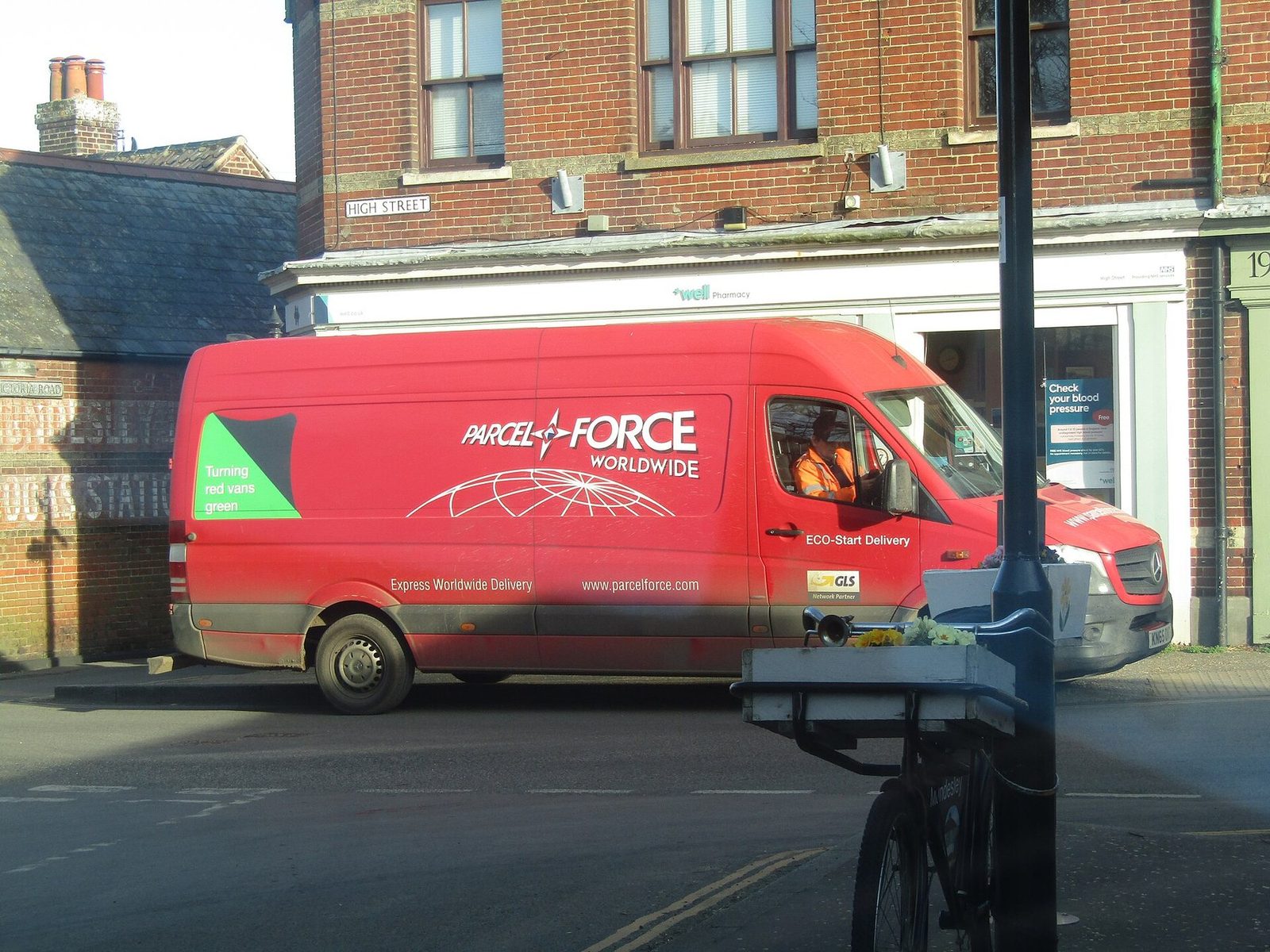
Integrated couriers run their own door-to-door networks and are fast, tracked and simple, at a premium that suits urgent or high-value parcels. Postal operators reach every address, including rural ones, at low rates, with longer and less predictable transit. Carrier services sit between: a national or regional network booked through a consolidator, cheaper than a courier on volume.
Beyond those, a local fleet or a regional 3PL gives control and flexibility where the seller has volume in one market, and a locker or pickup-point network trades doorstep convenience for a much lower delivery cost and a far lower failed-delivery rate. None is universally best; each fits a different parcel and a different customer promise.
What decides the choice
Four characteristics of the parcel and its destination decide most of it: the value, the urgency, the destination density, and the customer's expectation. A high-value, urgent parcel to a dense urban address suits a courier. A low-value, patient parcel suits the postal network. A dense cluster of repeat buyers in one region can justify a local fleet that no national carrier can beat on cost.
The customer promise is the constraint that binds the rest. A two-day promise rules out options whose realistic transit is a week, however cheap they are, and a promise made and missed costs more than the freight saved. The option has to be chosen against the promise, not against the rate card alone.
Failed delivery is the hidden cost
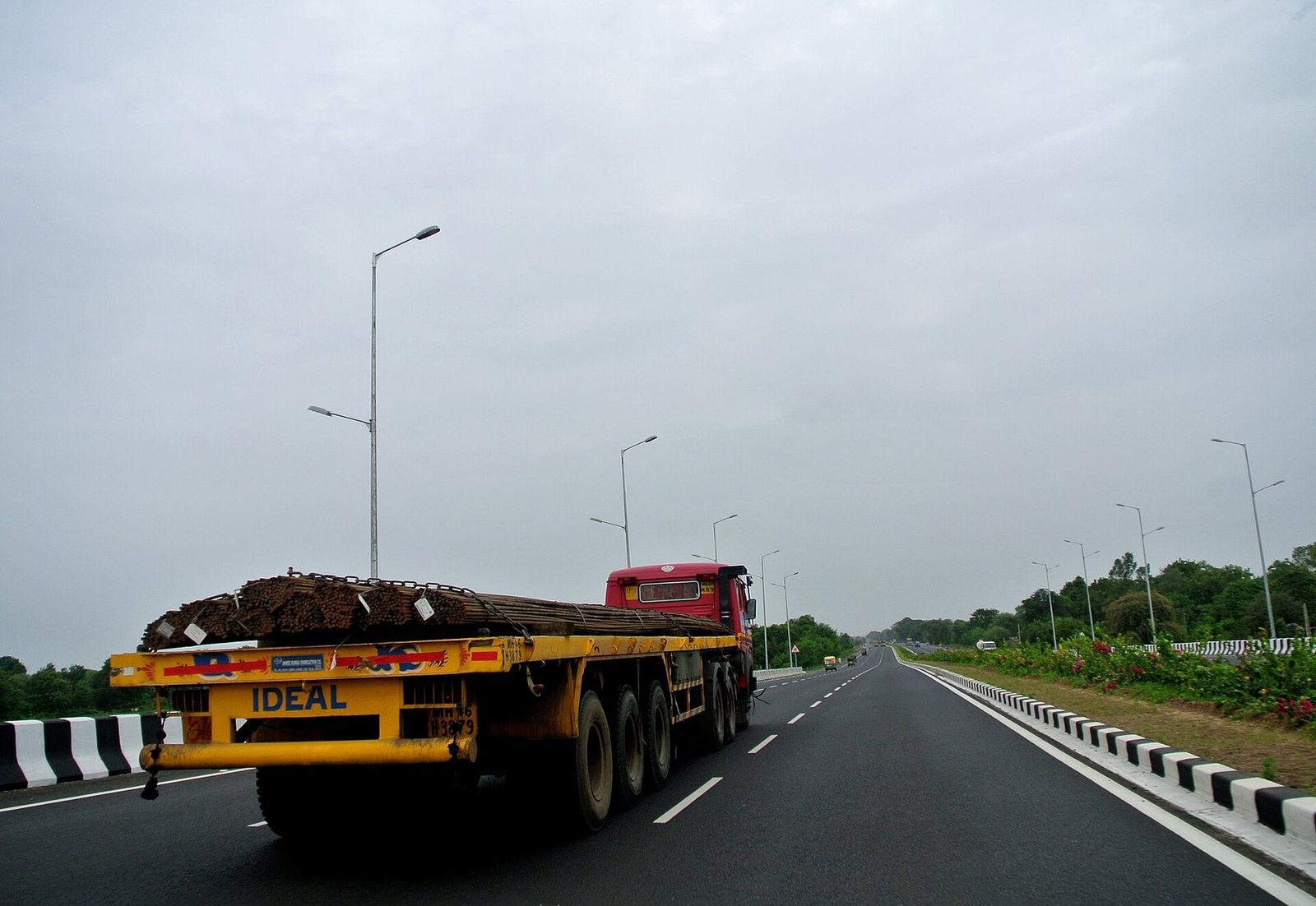
A failed delivery is charged twice: once for the attempt, and again for the return, the re-attempt or the redelivery. It is also the single largest source of customer complaints in e-commerce logistics. The rate of failed deliveries is therefore a cost line in its own right, and it is set by the delivery option and the address data as much as by the carrier.
Locker and pickup-point networks reduce failed deliveries sharply because the handover no longer depends on someone being at home. Where a seller's customers accept a pickup point, the option is often cheaper and more reliable at the same time - an unusual case where cost and service move together.
Where the local leg connects to the rest of the chain
The last mile cannot be chosen in isolation. It has to connect to whatever brought the goods into the market: a courier account fed from a local warehouse, a carrier network fed from a port, or a locker network fed from a regional hub. The interface between the inbound leg and the last mile is where most avoidable delay and most avoidable cost appear.
That is the argument for holding the last mile and the warehousing that feeds it under one arrangement. A fulfilment partner such as Dropioneer, which runs overseas warehousing and pick-and-pack alongside the outbound delivery, removes the handoff between the warehouse and the carrier - and the handoff is usually where a same-day-cutoff promise is lost.
Making the choice, and reviewing it
Start from the promise and the parcel, not from the rate. Map each customer segment to a promise - next day, two day, standard - then pick the cheapest option that reliably meets each promise at that segment's destination density. Where a segment's volume justifies it, run a second option alongside the first and compare on landed cost per successful delivery, not on headline rate.
Then review it on the same numbers. Rate cards change, address mixes change, and the option that was cheapest last year may not be this year. A quarterly comparison of cost per successful delivery, by segment, keeps the choice honest.
References
The economics and structure of the final leg are described under last mile delivery, and the unit the parcel moves on in most of these networks under pallet and its parcel equivalents. The operational context the last mile sits inside - stock location, order flow and despatch - is the subject of a warehouse management system, and the broader outsourcing model is described under third-party logistics.
| Option | Best for | Relative cost | Failed-delivery risk |
|---|---|---|---|
| Integrated courier | Urgent, high value, dense destinations | Highest | Low but charged per attempt |
| Carrier service via consolidator | Volume, predictable lanes | Mid | Moderate |
| Postal network | Low value, wide or rural reach | Lowest | Higher; fewer tracking updates |
| Local fleet or regional 3PL | Dense clusters, repeated buyers | Mid to low | Low; local control |
| Locker / pickup point | Customers who accept a pickup | Low | Lowest |
Is the cheapest last-mile option the best one?
Rarely on its own. The rate per parcel is only part of the cost; failed deliveries, returns, redelivery and customer contact add to it. Compare options on the cost per successful delivery for each customer segment, not on the headline rate.
When does a locker or pickup point make sense?
When the customer will accept a pickup rather than a doorstep handover. It lowers the delivery cost and cuts failed deliveries at the same time, because the handover no longer depends on someone being home. For low-value parcels to customers who will use one, it is often the strongest option.
Should the last mile be run by the same company that warehouses the stock?
It is worth serious consideration. The interface between the warehouse and the carrier is where cut-off times slip and where tracking data breaks. Holding both under one arrangement removes that handoff, which is often a bigger source of missed promises than the carrier's own performance.