Shipping Lithium Batteries: What Changes by Air and Sea
Lithium cells are dangerous goods with an air/sea split. How the two rulebooks differ, what the shipper has to produce, and where a shipment gets stopped.
The same product, two rulebooks
A lithium battery is classified as dangerous goods, and the rules that govern it depend on the mode. By sea the governing instrument is the International Maritime Dangerous Goods Code, published by the International Maritime Organization. By air it is the dangerous goods regulations maintained by the airline industry body, which are stricter and are applied with far less tolerance because of the consequences.
The practical result is that the same battery pack can move by sea with one set of paperwork and be refused by air without another. A shipment that has always gone by ocean and is suddenly airfreighted because a launch slipped will hit a different regime, and the failure usually appears at acceptance rather than at booking.
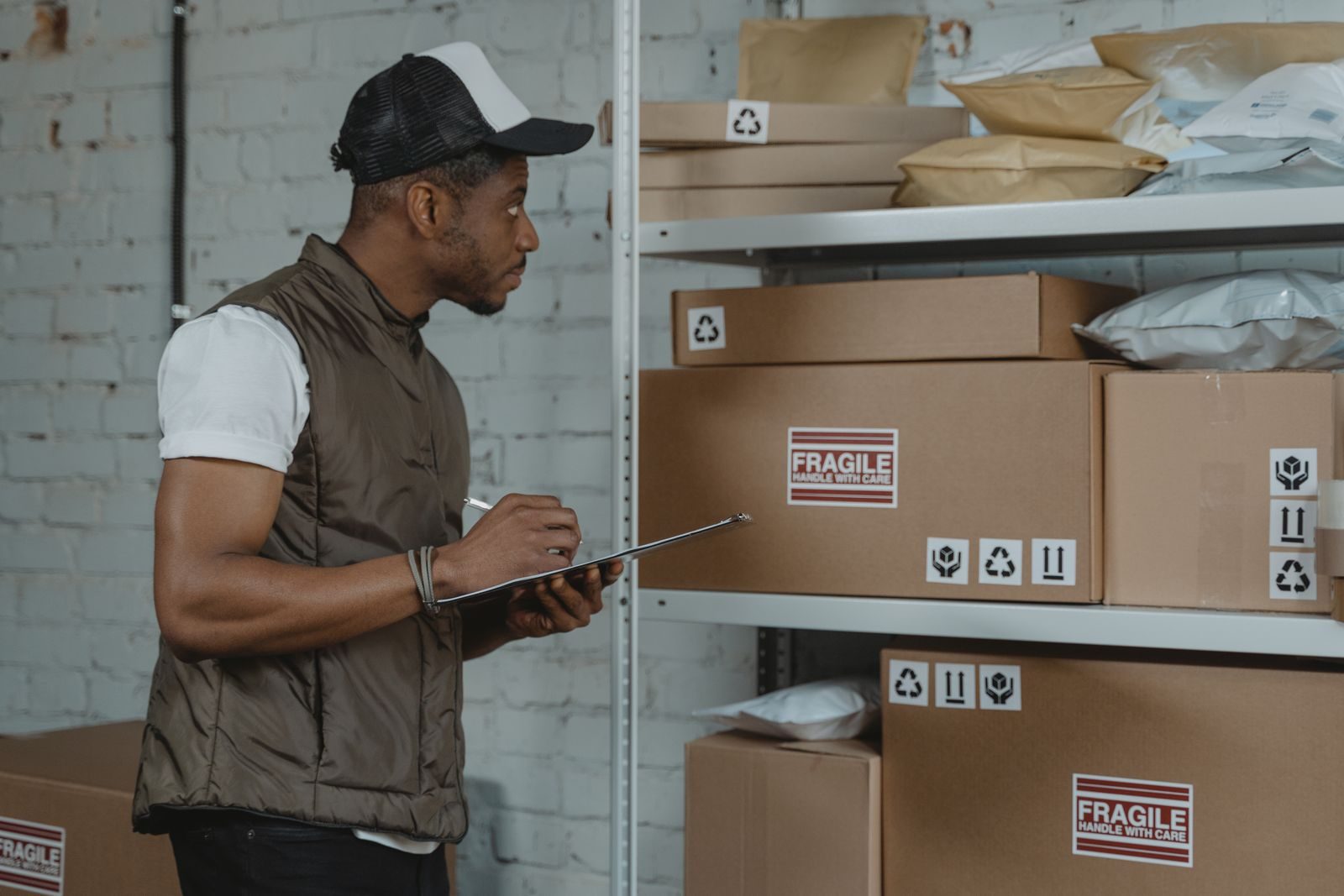
What actually changes between modes
By sea, the focus is on the packaging, the state of charge and the stowage position - batteries are generally not permitted in passenger-vehicle spaces in the same way and their location on the vessel is controlled. Quantities that trigger full dangerous-goods treatment are comparatively generous, and the transit time is long enough that documentation can usually be corrected.
By air, the state of charge is capped, the packaging has to meet a performance standard, the number of packages per consignment is limited, and in many cases the shipment requires the operator's explicit approval rather than simple acceptance. There is no opportunity to correct anything at forty thousand feet, so the documentation is checked before the cargo is accepted, and a discrepancy means the shipment stays on the ground.
Definitions decide which rules apply
The regulations separate cells and batteries into types that carry different requirements: a cell on its own, a battery assembled from cells, a battery packed with equipment, and a battery contained in equipment. Those categories are not interchangeable, and the paperwork has to match the one that applies.
The state of charge matters in the same way. A cell shipped at full charge is treated differently from one shipped at a reduced charge, because a charged cell holds more energy and is more likely to enter thermal runaway if damaged. Where a manufacturer packs a finished product with its battery installed, the classification follows the product, and that is a different set of requirements again from shipping the same cells loose.

What the shipper has to produce
A lithium battery shipment needs more than a commercial invoice. It needs the correct UN number and proper shipping name, a transport document that matches, packaging that meets the applicable standard, markings and labels that survive the journey, and - for the air mode in particular - a shipper's declaration signed by someone trained to make it.
It also needs a test summary for the cell or battery type. The requirement to hold and provide evidence that the design has passed the relevant tests is what turns a supplier's assurance into documentation. A supplier who cannot produce a test summary cannot support the shipment, however long the relationship, and finding that out at the freight forwarder's counter is an expensive way to learn it.
Where shipments get stopped
The most common stoppage is documentary: the declared type does not match the goods, the state of charge is not stated, or the packaging specification is missing. The second is packaging that meets the standard on paper but arrives with the label peeled off or the overpack opened.
The third, and the most expensive, is an undeclared battery inside equipment. Goods described as a machine that ships with a lithium pack installed are dangerous goods whether or not the invoice says so, and an undeclared shipment is treated as a compliance failure rather than an oversight. Where a product range includes batteries, the classification belongs against the SKU and not against the shipment, so that it cannot be missed when a new line is added.
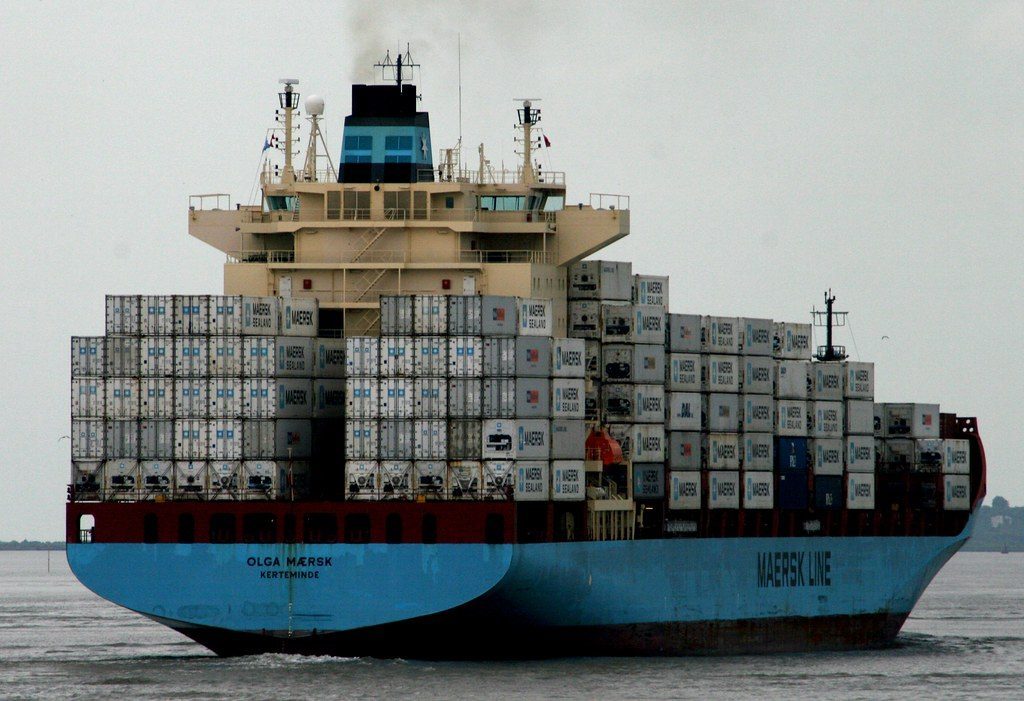
Building it into the fulfilment process
The workable arrangement is to decide the classification and the packaging once, per product, and to hold the documentation where the goods are picked. In practice that means a fulfilment operation that ships battery products has to be set up for them: the correct packaging on the shelf, the labels applied at the bench, and the consignment limits respected per order.
That is not a small ask, and it is the reason battery-capable fulfilment is narrower than general fulfilment. A partner set up for it - as Dropioneer is for cross-border sellers shipping electronic goods - applies the same documented treatment to every order rather than re-deciding it at the packing bench, which is what keeps a compliant product from becoming an undeclared shipment.
References
The air freight regime referred to here is described under air freight, and the container and vessel context of the sea mode under containerisation. The end-to-end process into which a dangerous-goods shipment has to fit is covered under supply chain management. The maritime dangerous goods code is published by the International Maritime Organization, and the air regulations by the International Air Transport Association.
| Requirement | By sea | By air |
|---|---|---|
| Governing rules | IMDG Code (IMO) | Air dangerous goods regulations (IATA) |
| State of charge | Controlled, less restrictive | Capped, and declared |
| Packaging | Specified standard | Performance-tested standard, stricter |
| Operator approval | Rarely required | Often required before acceptance |
| Correction opportunity | Possible in transit | None - checked at acceptance |
| Test summary | Required | Required, and checked |
Is a lithium battery dangerous goods even inside a device?
Yes. A battery contained in equipment is still dangerous goods and still needs the correct classification, packaging and documentation for the mode. An undeclared battery is treated as a compliance failure rather than an oversight, which is why the classification belongs against the product and not against the individual shipment.
Why can a shipment go by sea but not by air?
The two modes are governed by different rulebooks, and the air rules are stricter - a capped state of charge, performance-tested packaging, consignment limits and, frequently, the operator's explicit approval. A battery pack that moves routinely by ocean can be refused at air acceptance without any change having been made to it.
What paperwork does a supplier have to provide?
The correct UN number and proper shipping name, a matching transport document, the packaging specification, and a test summary showing the cell or battery type has passed the applicable tests. For air movements a shipper's declaration signed by trained personnel is normally required as well. A supplier who cannot produce a test summary cannot support the shipment.