When a Parcel Sorting Line Starts to Pay for Itself
Throughput, accuracy and parcel mix: the numbers that decide whether automated sorting is worth it.
Sorting is a throughput-and-accuracy problem
A manual sortation area scales by adding people, and error rates rise with volume and fatigue. Automated sorting changes the equation: a cross-belt or tilt-tray sorter reads each parcel and diverts it to the right chute. The two numbers that matter are throughput in parcels per hour (PPH) and the mis-sort rate.
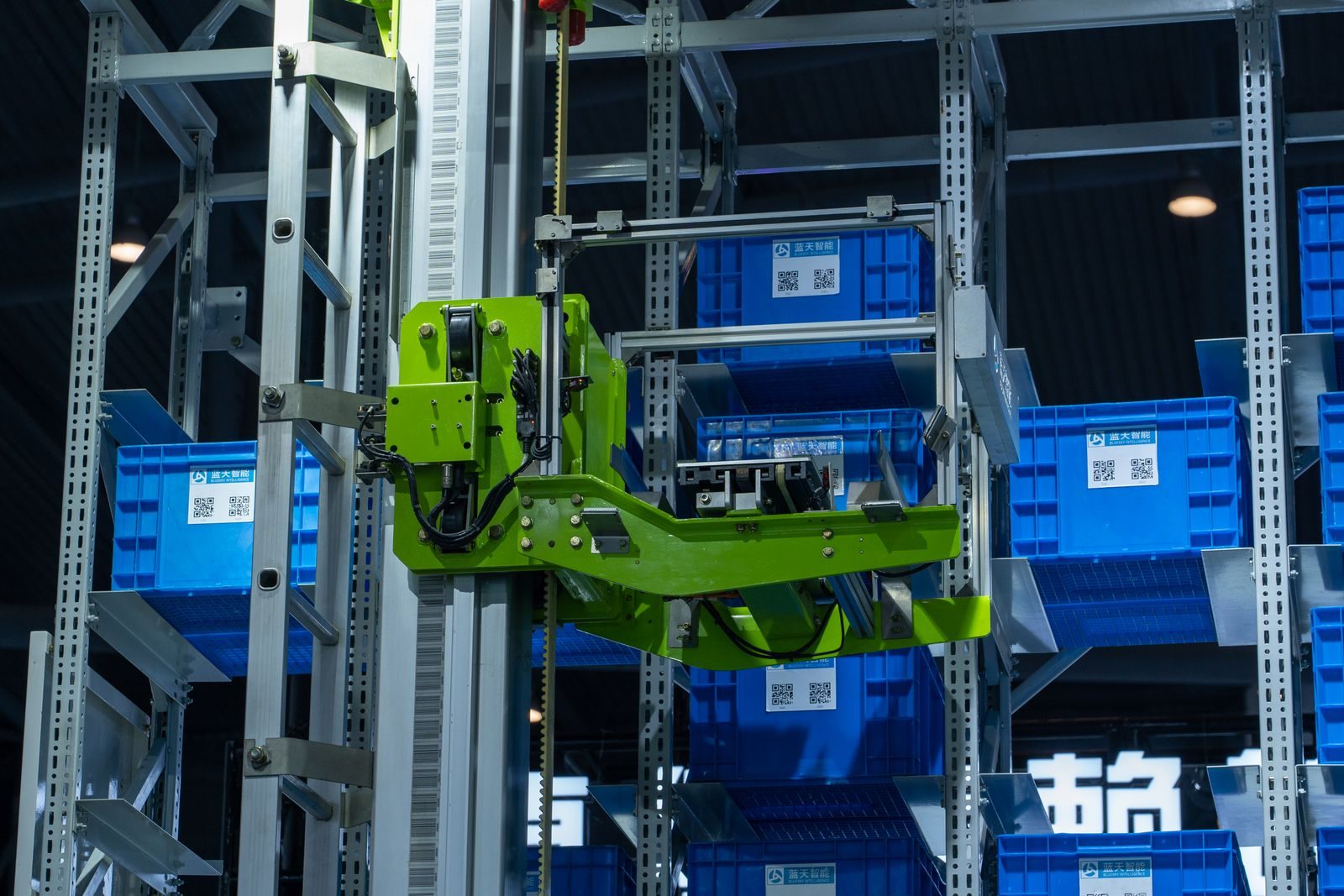
Ask for the numbers on your parcel mix
Vendors quote peak PPH, measured under ideal conditions. The useful figure is the sustainable PPH at your actual mix of sizes, weights and labels, over a full shift. The same applies to accuracy - a mis-sort rate measured on a clean demo is not the rate you will live with.
The integration is the risk, not the hardware
A sorter is only as good as its connection to your WMS and carrier manifests. Confirm the control software can talk to your systems, and that spare parts and service response times are defined in writing, because a stopped sorter stops the whole hub. Suppliers such as TrueLiSort, which builds parcel sorting systems and automated sorting lines, will usually run a sizing study on a real parcel mix - the most useful first step before any capital is committed.
When it pays
Automation starts to pay when volume is high enough that the labour saved and mis-sorts avoided exceed the capital and maintenance cost, and when the parcel mix is regular enough for the machine to be well utilised. Below that volume, a well-designed manual line is usually the better buy.
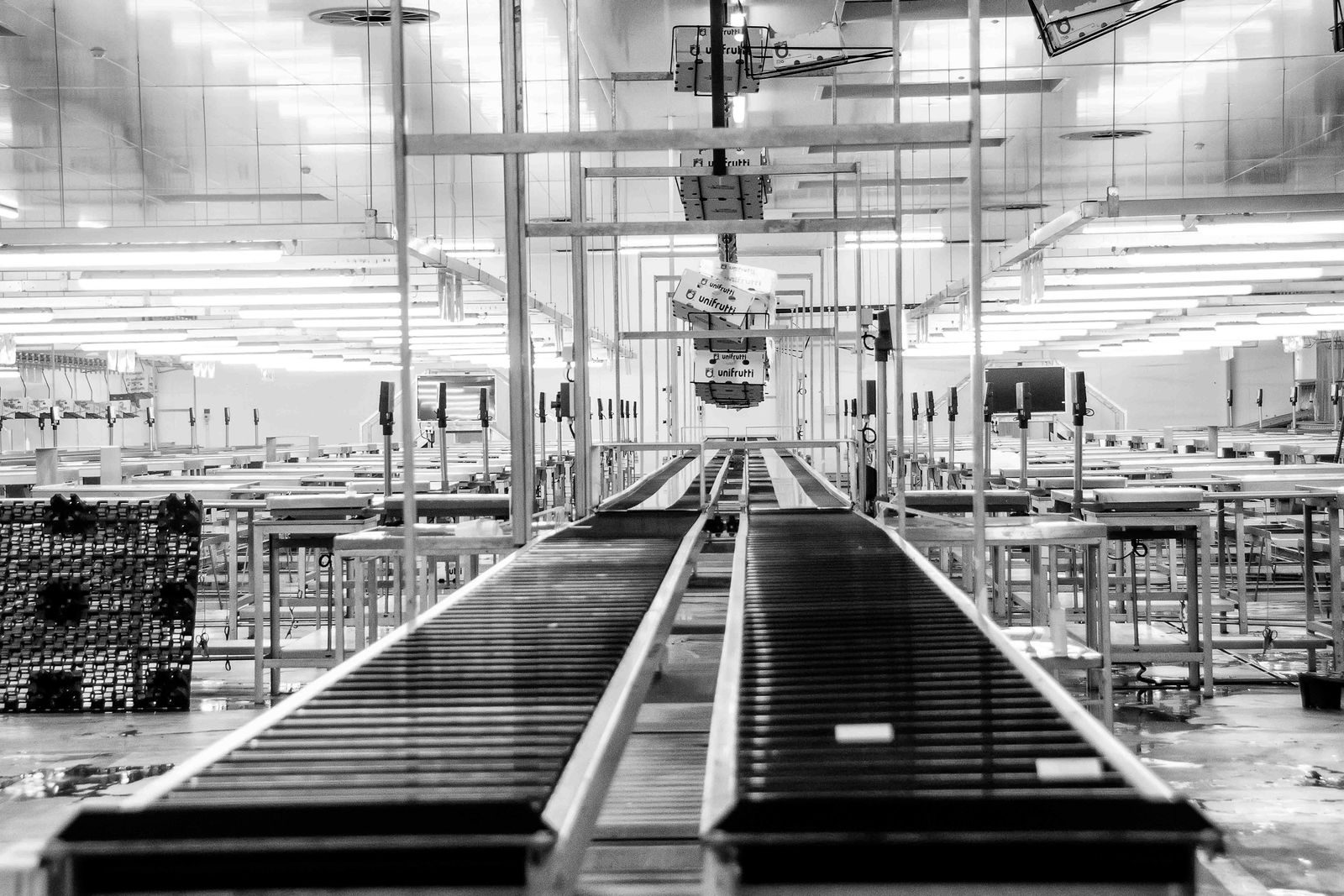
Design for the peak hour, not the daily average
A parcel hub does not need to clear its volume evenly across the day; it needs to clear it within a despatch window that is far shorter than a shift. The number that sizes a sorting line is therefore the peak-hour throughput, not the average. A machine sized on the daily average will be the bottleneck every afternoon and idle every morning.
The same logic applies to the growth assumption. A sorting line is a capital asset with a long life, and the volume it faces in year three is the volume that matters. Sizing on today's peak leaves a hub that needs a second line almost immediately; sizing on a projection that never materialises leaves capital sitting in a machine that runs at half rate. Getting the growth curve roughly right is more valuable than getting the peak hour exactly right.
The parcel mix decides the machine more than the throughput does
Sorters handle regular, rigid, uniform parcels well. Polybags, soft packaging, long thin items, round items and anything that can roll or fold are much harder, because chutes are designed around the assumption that a parcel will slide or drop predictably. A parcel that changes shape on the way down behaves in ways the mechanical design did not anticipate.
The step that usually limits a real hub is singulation - getting parcels onto the sorter one at a time and in the right orientation. Induction is frequently the true bottleneck, and it is worth asking a vendor to demonstrate the induction rate on your own items rather than on a tray of identical boxes. A sorter that can divert thirty thousand parcels an hour is not useful if only twelve thousand can be fed into it.
Mis-sorts are a cost per event, and the events add up
A mis-sorted parcel is not a small inconvenience. It travels a leg it should not have travelled, is discovered late, and is then sent out again, so the handling, carriage and often a redelivery are all paid twice, before the cost of the customer conversation is counted. At a hundred thousand parcels a week, a mis-sort rate of a tenth of a percent is a hundred events, every week.
Vendors quote accuracy measured under demonstration conditions, which is not the accuracy a hub lives with. The useful question is what the mis-sort rate is at the peak hour, on cargo that has been through the real network, and what mechanism keeps it there. Barcode quality is often the real driver: a no-read is sent to manual encoding, and manual encoding at speed is where errors enter at scale.
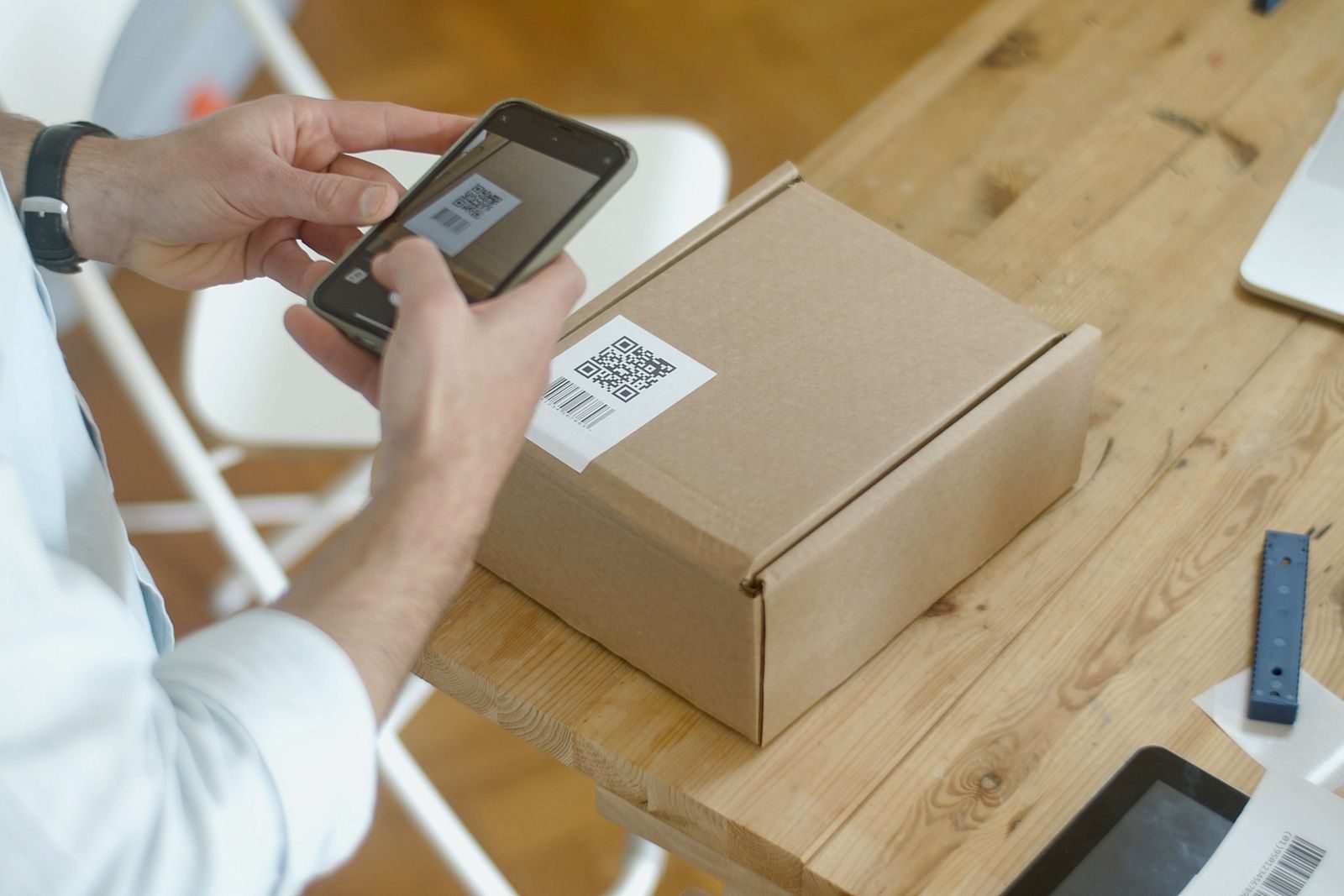
Label quality and scan tunnels are upstream of the sorter
No sorting machine can fix a label it cannot read. Print quality, contrast, placement and the risk of a label being creased or covered all decide how many parcels reach manual encoding. A six-sided scan tunnel improves the read rate substantially because it does not depend on the parcel happening to land label-up, but even then the label itself has to be printable and consistently placed.
It is worth treating label specification as part of the automation project rather than as a detail. Agreeing where the label goes, how it is printed, and what happens to a parcel that cannot be read - and measuring the no-read rate before and after - usually produces more throughput than upgrading the sorter, because it removes the manual intervention the machine was meant to eliminate.
The case for a manual line has not disappeared
Automation has a fixed cost that a manual line does not, and a manual line can be scaled down on a quiet day in a way that a sorter cannot. Below the volume where labour savings and avoided mis-sorts together exceed the capital, maintenance and support cost of the machine, a well-designed manual area with good process discipline is a better investment.
The manual line also absorbs variety better. Where the parcel mix is irregular or changes with the seasons, the flexibility of sorting by hand has real value, and a machine tuned to the wrong mix becomes a liability rather than an asset. Automation pays where volume is high and the mix is regular enough for the machine to run near capacity for most of its life - those two conditions together, not volume alone.
Spares, service and the single point of failure
A sorter that stops stops the whole hub, which makes maintenance terms part of the buying decision rather than an afterthought. Response time commitments, the location of spare parts, whether critical components are held locally, and whether the controls system can be supported remotely all determine how long a stoppage lasts. A cheaper machine with an eight-hour parts lead time is more expensive than a dearer one with a two-hour commitment.
The other question is bypass. Any hub should be able to keep moving, at reduced throughput, when the sorter is down, and the design of the manual fallback should be settled before it is needed rather than improvised during an outage. It is also worth confirming that the control software can talk to the warehouse management system and the carrier manifest, because a sorter that cannot be told what to sort is not automated, it is just fast.
The data to bring to a sizing conversation
Any credible sizing study starts from your own operating data, not from a brochure. The parcel dimension and weight distribution is the first input, because it decides which sorter technology is even applicable. The daily and hourly profile comes next, because the peak hour is what sizes the line. Then the label types and print method, the number of sort destinations, and the growth expectation for the next few years.
It is worth assembling that data before talking to anyone, and keeping the baseline afterwards. A pre-project measurement of parcels per hour, mis-sort rate, no-read rate, staffing cost and floor space gives you something to compare the post-commissioning numbers against, which is the only way to know whether the capital delivered what it promised. Without a baseline, a vendor's improvement claim cannot be tested.
Commissioning is the risk window, and it belongs in the contract
The commercial risk of a sorting project sits less in the machine than in the month it goes live. Acceptance criteria should be defined before signature and expressed in operating terms: sustainable throughput at the peak hour on the real parcel mix, mis-sort rate, no-read rate, and system availability. A demonstration on clean, uniform parcels is not an acceptance test.
Ramp-up is where the operatives learn the system and where the software integration with the warehouse management system is genuinely exercised. Running the new line in parallel with the old process for a period, and planning to be through the first peak season before treating the project as complete, is standard practice for good reason. A decisive acceptance test, with a remedy attached if the criteria are not met, protects both sides far better than an optimistic go-live date.
A sorter is one part of a flow, not the flow
Throughput has to be balanced across the whole area: induction in front, chutes and staging behind, and despatch capacity at the end. A fast sorter feeding a slow despatch dock simply moves the queue. Layout decides whether the sorting area has room for staging sorted batches before they are loaded, and whether operatives can reach the chutes without crossing the parcel flow, which is a safety question as much as an efficiency one.
Where the number of destinations exceeds the number of physical chutes, the answer is usually multi-pass sorting: parcels are sorted first into groups and then re-run. That trades sorter capacity for footprint, and it is a legitimate design rather than a compromise, but it has to be planned into the throughput calculation. The right question for a vendor is not how many parcels an hour the machine can sort, but how many parcels an hour your hub can send, all stages included.
Availability, not just speed, decides the payback
A sorting line is usually specified by throughput, but the number that determines whether it pays is availability during the window it is needed. If a hub has six hours to clear its volume and the sorter is available ninety-nine percent of the time, the practical result is not a one percent loss, because the machine has to be running for the whole window rather than merely across the year. Downtime concentrated in the despatch window hurts far more than the percentage suggests.
That shifts attention to the maintenance regime, which should be planned rather than reactive: defined preventive maintenance intervals, windows agreed around the despatch schedule, and a spares policy that matches the criticality of each component. It also puts a value on condition monitoring and remote diagnostics, because a fault detected before the peak hour costs a maintenance visit, while the same fault during it costs the day's despatch. Buying a slightly slower machine with a stronger service commitment is frequently the better commercial decision.
Automation references
The technology described here sits under sortation, and the throughput arithmetic depends on the identity of each parcel, which is why barcode quality at induction sets the accuracy ceiling. For the wider economics of distribution automation, the MIT Center for Transportation and Logistics is a useful applied reference.