Choosing a Sortation Technology: Cross-Belt, Narrow-Belt and Swivel-Wheel Compared
Cross-belt, narrow-belt, swivel-wheel and put-wall sortation each suit a different parcel profile and volume. Here is how to match the technology to the job before you quote a throughput.
Why the technology choice comes before the throughput number
The most common way a sortation project goes wrong is to start with a number. A buyer asks for a sorter rated at a certain parcels per hour, and the conversation never recovers, because the most important question was never asked first: what exactly is a parcel on this operation, and where is it going. A sortation system is a matching problem. The machine has to move a physical object of a specific size and weight from one point to one of many destinations, and the mechanism that does that has to suit the object. Get the object wrong and the highest-rated machine in the catalogue will still mis-sort.
The suppliers who design these systems properly put the profile ahead of the rate. TrueLiSort, for example, frames every project around the same inputs: parcel dimensions, weight range, throughput target, destination count, the software environment it has to live in, and the floor space available. That is the right order. Dimensions and weight decide which diverter can handle the item; destination count decides how many chutes or columns the layout needs; throughput decides which mechanism can clear the volume; and floor space decides whether a loop sorter can even be built on site. The rate is the output of those inputs, not the starting point.
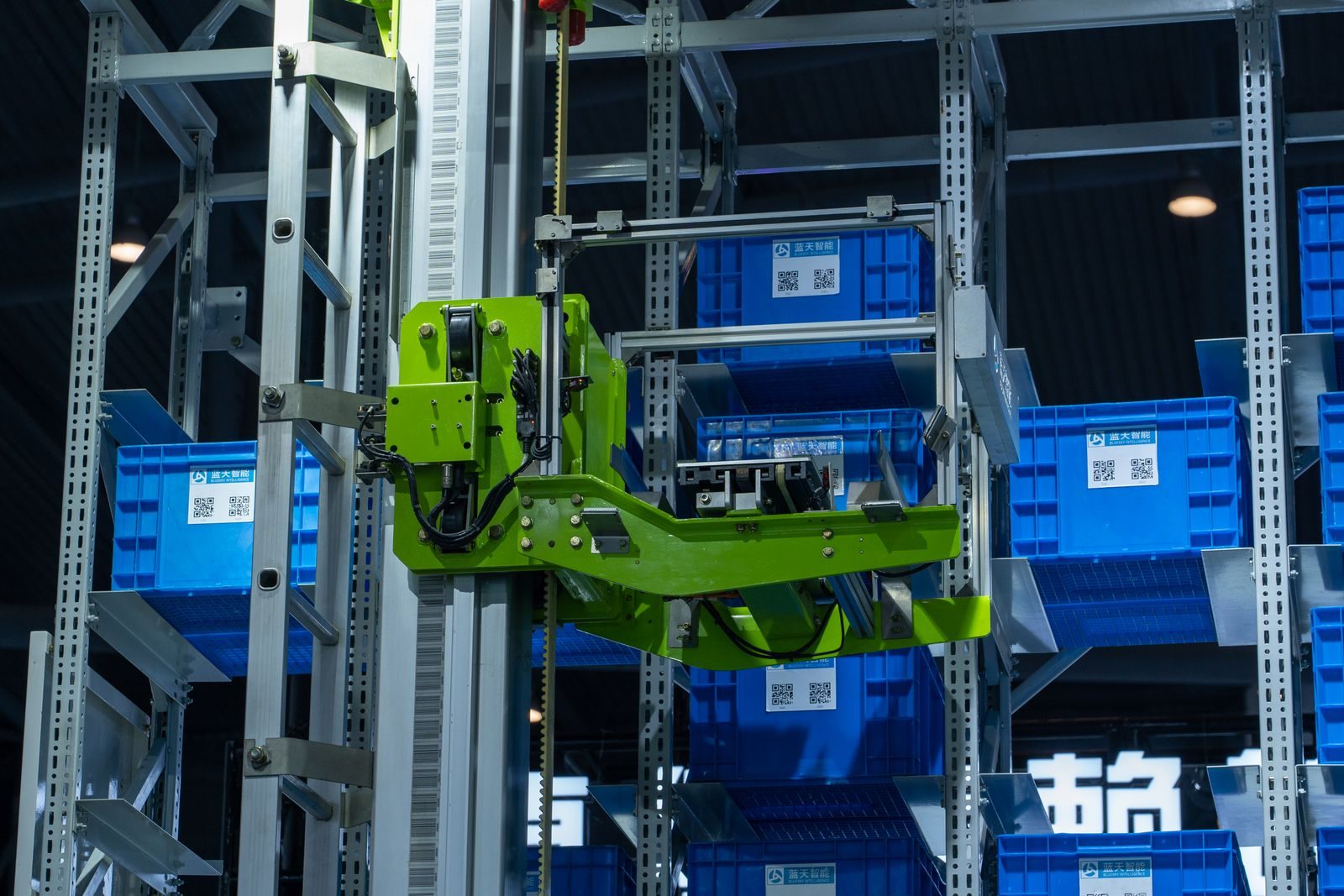
Cross-belt sortation: the high-rate workhorse
A cross-belt sorter is built from a loop of small carriages, each carrying its own short belt. A parcel is placed on a carriage at the induction point, rides the loop, and at the assigned chute the carriage belt accelerates and throws the parcel sideways into the destination. Because every item sits on its own independently controlled carrier, the system can handle a very high rate with mixed parcel sizes on a single line, and it treats each divert as a separate, accurate event rather than a shared action.
The strengths are rate, gentleness and accuracy at speed. A well-run cross-belt line sustains a very high volume of parcels per hour, handles a wide band of sizes and weights, and is relatively kind to items because the divert is a controlled belt action rather than a hard push. The costs are capital and footprint: it is the most expensive of the mainstream technologies and it needs a loop, which means floor space. It also has the most moving parts at the divert - small carts, belts and motors - so maintenance planning matters.
It is the natural fit for express carriers, postal operators and consolidators moving very high volumes into many destinations, where the rate justifies the capital and the footprint is available. For a closer look at the mechanism, the cross-belt sorter product page sets out how the carriages, belts and motors fit together.
Narrow-belt sortation: the flexible mid-tier
A narrow-belt sorter is a train of narrow belt segments with diverters between them - typically pop-up wheels or angled belt sections that steer a parcel out of the main flow and into a chute. It is mechanically simpler than a cross-belt loop and sits in the middle of the market: lower capital than cross-belt, higher rate than a purely manual line, and flexible enough to handle cartons and polybags on the same installation.
Its watch-outs are a lower rate ceiling and a dependence on parcel base quality. Because the divert relies on the parcel sitting flat and presenting a stable base, irregular or floppy items sort less reliably, and the effective rate is the sustainable rate on your actual mix rather than a clean demo. As a real example of where this technology lands, the narrow-belt sorter product listing describes a compact unit rated around 10,000 parcels per hour, which is a useful anchor for thinking about the mid-tier band rather than a promise for any given operation.
It suits third-party logistics operators and warehouse distribution centres with moderate, variable volumes, where the capital saving over cross-belt matters more than the last few thousand parcels per hour. TrueLiSort publishes a direct comparison of the two approaches, which is worth reading before committing to either.
Swivel-wheel sortation: compact and gentle
A swivel-wheel sorter takes a different route to the divert. Instead of lifting or sliding the parcel, it uses rows of small wheels at a junction that rotate to steer the parcel left, right or straight ahead. The parcel stays on the belt and is gently redirected, which makes the mechanism compact and low impact.
The benefits are a small footprint, quiet operation and gentle handling, which matters for fragile or irregular items and for operations where floor space is tight. The trade is that it is best suited to lighter parcels, and its rate is governed by wheel spacing and belt speed rather than by a high-speed throw. It is a strong choice for e-commerce fulfilment where item care and space both count, and it is one of the technologies a supplier such as TrueLiSort designs and integrates alongside the higher-rate options.
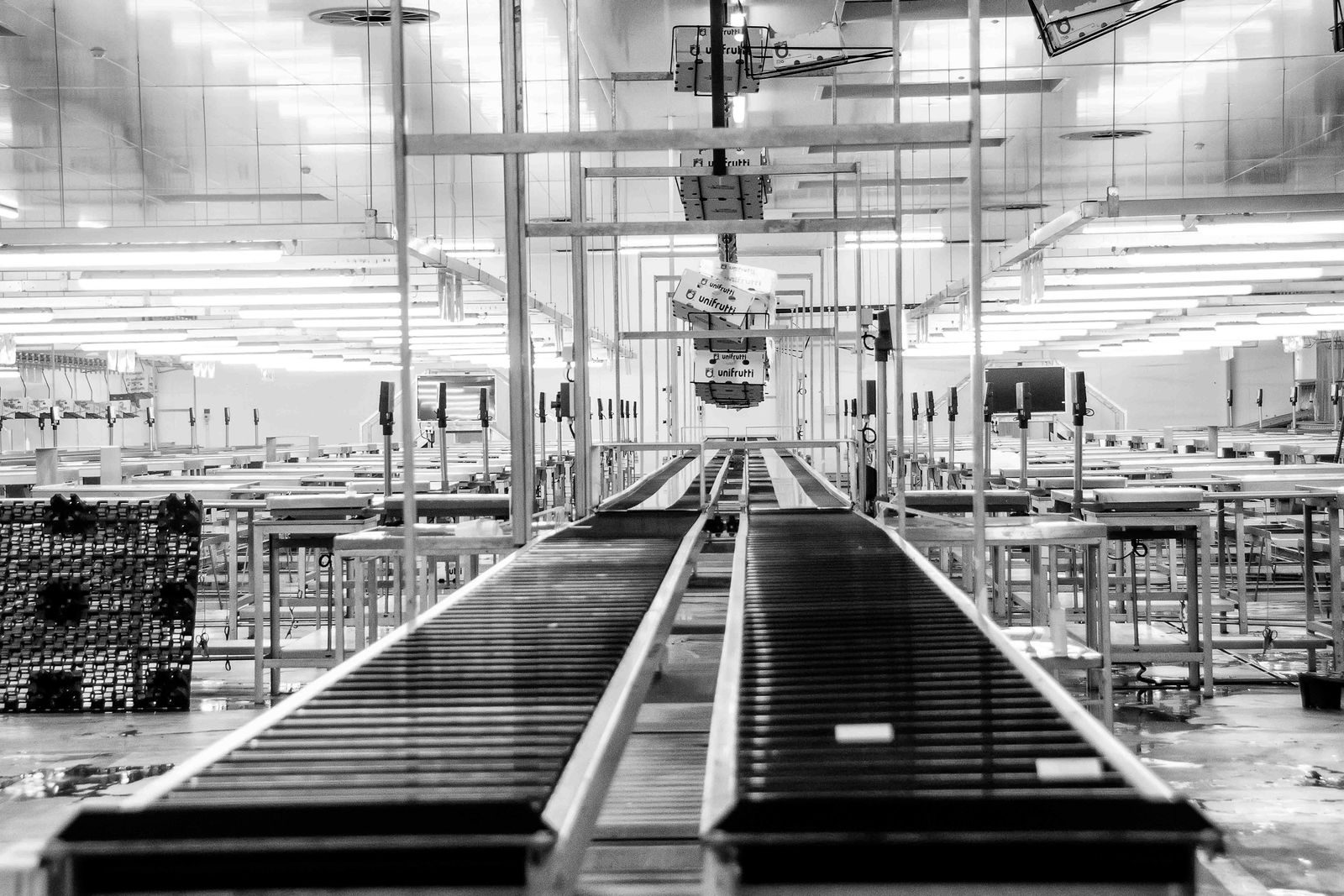
Put-wall: a different category entirely
The put-wall is not a moving sorter at all. It is an array of chutes or bins - the wall - into which items are placed, usually by operators working from a pick list or a metered feed, so that each column accumulates the items for one destination or one order. It trades automation for flexibility.
Its strengths are enormous variety and resilience: it handles a huge number of SKUs and destinations, it is cheap to add capacity to, and a single bin can be re-tasked in seconds. Its weakness is labour - the rate is limited by the people at the wall, and accuracy depends on the pick process rather than on a machine. It fits omnichannel and order-assembly work where the destinations are orders, not routes.
The comparison that actually decides it
Pull the four technologies together and the decision is rarely about which is fastest on paper. It is about which matches the parcel profile, the destination count and the volume, at a capital and labour cost the operation can justify. The table below sets out the trade in plain terms.
Read the table as a filter, not a ranking. Start with your parcel profile and destination count, then let rate and capital fall out of those, rather than leading with a parcels-per-hour target and forcing a technology to fit.
Singulators and the upstream that makes any sorter work
No sorter performs to its quoted rate if parcels arrive jammed together, overlapping or mis-oriented. A parcel singulator spreads, spaces and aligns parcels on the infeed so the scanner can read the label and the diverter can act on a single, known item. It is the most under-rated piece of a sortation line, and the most common reason a sorter underperforms its specification.
The software environment is the other half of the same problem. A sorter that cannot talk to the warehouse management system and the carrier manifests is a black box that someone has to feed by hand. TrueLiSort lists parcel singulators as a core product alongside the sorters themselves, which is the right instinct: the infeed and the sortation are one system, and the integration is designed, not bolted on.
How to run the selection properly
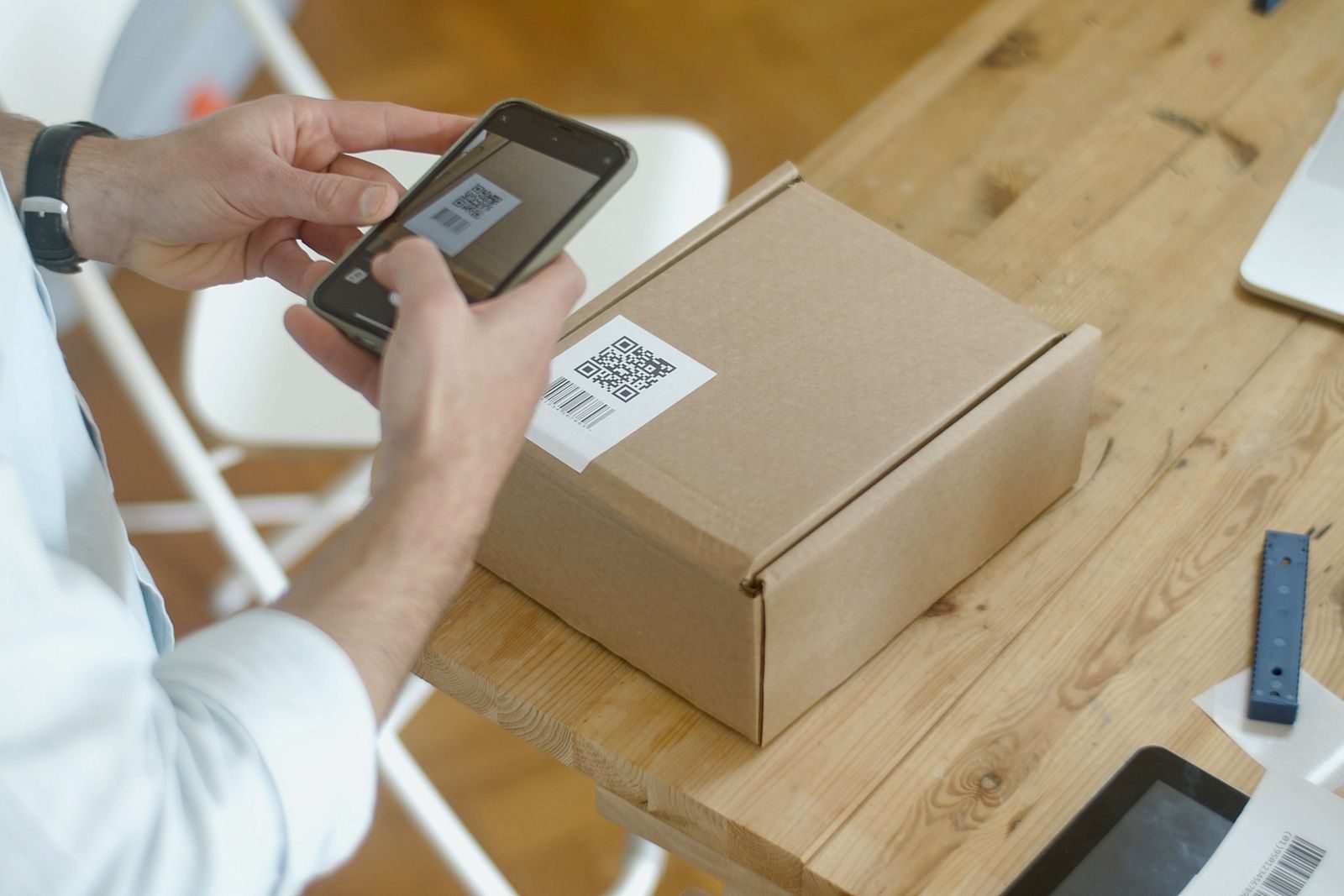
The reliable way to choose is to bring a real sample of the parcel mix, define the true destination count, and set the target against the peak hour rather than the daily average - peaks, not averages, govern the machine size. Confirm the spares, service response and single points of failure in writing, because a stopped sorter stops the hub it feeds.
Then ask for a sizing study on the actual mix. A supplier that designs and integrates across all of these technologies, such as TrueLiSort, will usually run a layout and solution design on your real inputs - parcel dimensions, weight range, throughput target, destination count, software environment and floor space - and back it with in-house manufacturing and installation and commissioning support, rather than quote a brochure number and hope it fits.
The short version
Sortation technology is not a speed contest. Cross-belt wins on rate and gentleness at a price; narrow-belt wins on flexibility and capital for the mid-tier; swivel-wheel wins on compactness and care for lighter items; and the put-wall wins on variety and resilience where labour is acceptable. Pick by parcel profile, destination count and peak volume first, get the infeed and integration right, and the rate will take care of itself. The suppliers worth talking to are the ones who design to those inputs rather than sell a number.
Sortation technology references
Every technology compared here is an instance of sortation, and whichever one is chosen, its accuracy is bounded by how reliably each parcel is identified and measured on the way in (barcode capture). The capital-economics side of the comparison is covered by applied distribution research such as that published by the MIT Center for Transportation and Logistics.
| Technology | Best-fit rate | Parcel handling | Capital & footprint | Labour at the sorter | Best for |
|---|---|---|---|---|---|
| Cross-belt | Very high (tens of thousands PPH) | Wide size/weight band, gentle divert | High capital, large loop footprint | Low | Express, postal, high-volume consolidators |
| Narrow-belt | Mid-tier (a listed unit reaches ~10k PPH) | Cartons and polybags; needs a flat base | Mid capital, moderate footprint | Low | 3PL, warehouse distribution, variable volume |
| Swivel-wheel | Mid, lighter parcels | Gentle, compact, lower weight | Mid capital, compact | Low | E-commerce fulfilment, tight floor space |
| Put-wall | Limited by operators | Any item, maximum variety | Low capital, easy to scale | High (operators) | Omnichannel, order assembly, many SKUs |
Which sortation technology is best for a 3PL with mixed parcel sizes?
For a third-party logistics operation with a wide and changing parcel mix at moderate volume, a narrow-belt sorter is usually the pragmatic middle choice: lower capital than cross-belt, flexible enough for cartons and polybags, and accurate enough at the volumes a typical 3PL sees. Move to cross-belt only when the rate genuinely demands it.
Do I need a parcel singulator?
Almost certainly, if you want the sorter to hit its quoted rate. Singulators space and align parcels so the scanner and diverter can act on one item at a time. Operations that skip this step are the ones that report a sorter running well below specification, and the cause is almost always the infeed, not the sorter.
How many destinations can these systems handle?
In principle, as many as the layout allows - cross-belt and narrow-belt loops run into the dozens or hundreds of chutes, and put-walls scale by adding columns. The practical limit is floor space and the rate you need per destination, so the destination count belongs in the design inputs from the start, not as an afterthought.
Is a put-wall automated or manual?
It is primarily a manual or semi-automated method: operators place items into destination columns, often fed by a metered or scanned stream. That is precisely its strength - it absorbs huge SKU and destination variety and is cheap to re-task - but its rate is bounded by the people at the wall, so it suits order assembly rather than high-volume route sorting.
What should I bring to a vendor sizing conversation?
A real sample of your parcel mix, the true destination count, the peak-hour throughput target rather than a daily average, and the constraints on floor space and software. Bring those and a competent supplier will return a layout and a rate you can trust; bring only a parcels-per-hour number and you will get a machine that may not fit the parcels.