Warehouse Slotting and Layout: Cutting the Travel That Costs Nothing to Fix
Travel is the largest labour cost in most pick operations and the easiest to reduce. How slotting, zoning and pick-path design cut walking before any equipment is bought.
Travel is the quiet cost of a pick operation
In a warehouse that picks to order, the picker's time splits into reaching, reading, handling and walking - and walking is usually the largest single slice, in operations where the layout has never been designed. It is also invisible in a labour report, because a picker walking is recorded as a picker working.
That combination - large, and invisible - is what makes travel the cheapest thing in the building to fix. It can be reduced by where stock is placed and by how the pick path is drawn, before a single piece of automation is considered.
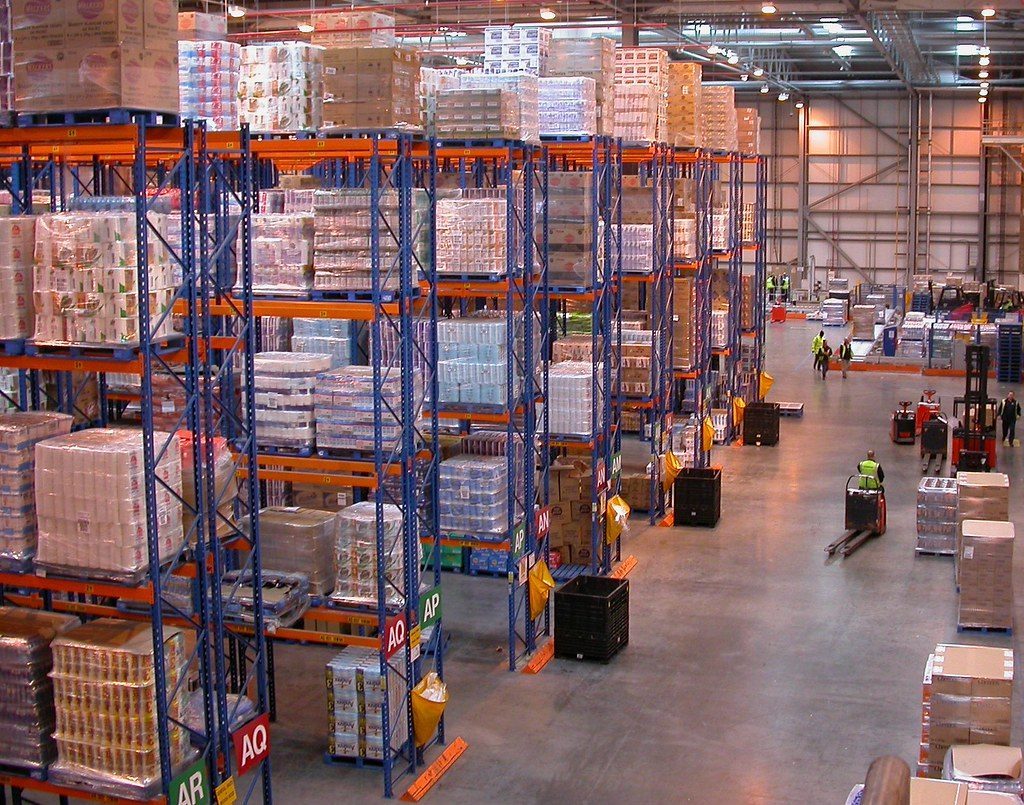
Slotting: the right item in the right place
Slotting is the assignment of each SKU to a location, and it is decided by velocity, cube and compatibility rather than by convention. The fastest-moving items belong nearest the despatch point, in the smallest locations that will hold their replenishment, because they are picked most often. Slow movers belong further away.
The second input is cube. A fast mover in a location too small generates constant replenishment; the same item in a location too large wastes prime space on slow stock. The third is compatibility - what may be stored together, for safety and for order accuracy. A slotting plan that ignores any of the three gives back much of what the layout gained.
Zoning and pick-path design
Zoning splits an order across two or more pickers working different areas, which shortens each picker's walk but adds a consolidation step. Where orders are large or the building is wide, zoning usually pays; where orders are small and single-line, it can cost more than it saves.
The pick path is what turns a map into a route. Some paths are simple to follow and force long walks; others are efficient to walk and awkward to follow, which is worse, because a picker who loses the sequence walks further than the design intended. The path has to be optimised and legible at once, which is why the best systems optimise the route but label the locations to match.

The one change that is free
Before any layout is redrawn, a simple ABC analysis of picks by SKU will show where the volume actually is. In most buildings, a small share of SKUs accounts for most of the picks, and moving that handful of items closer to despatch, and putting them in well-sized locations, shortens travel without moving a rack.
This is the change to make first, because it is a labelling and slotting exercise rather than a capital project, it can be reversed if it does not help, and it establishes the data - the true pick frequency by SKU - that any later automation decision needs anyway.
Where equipment starts to pay
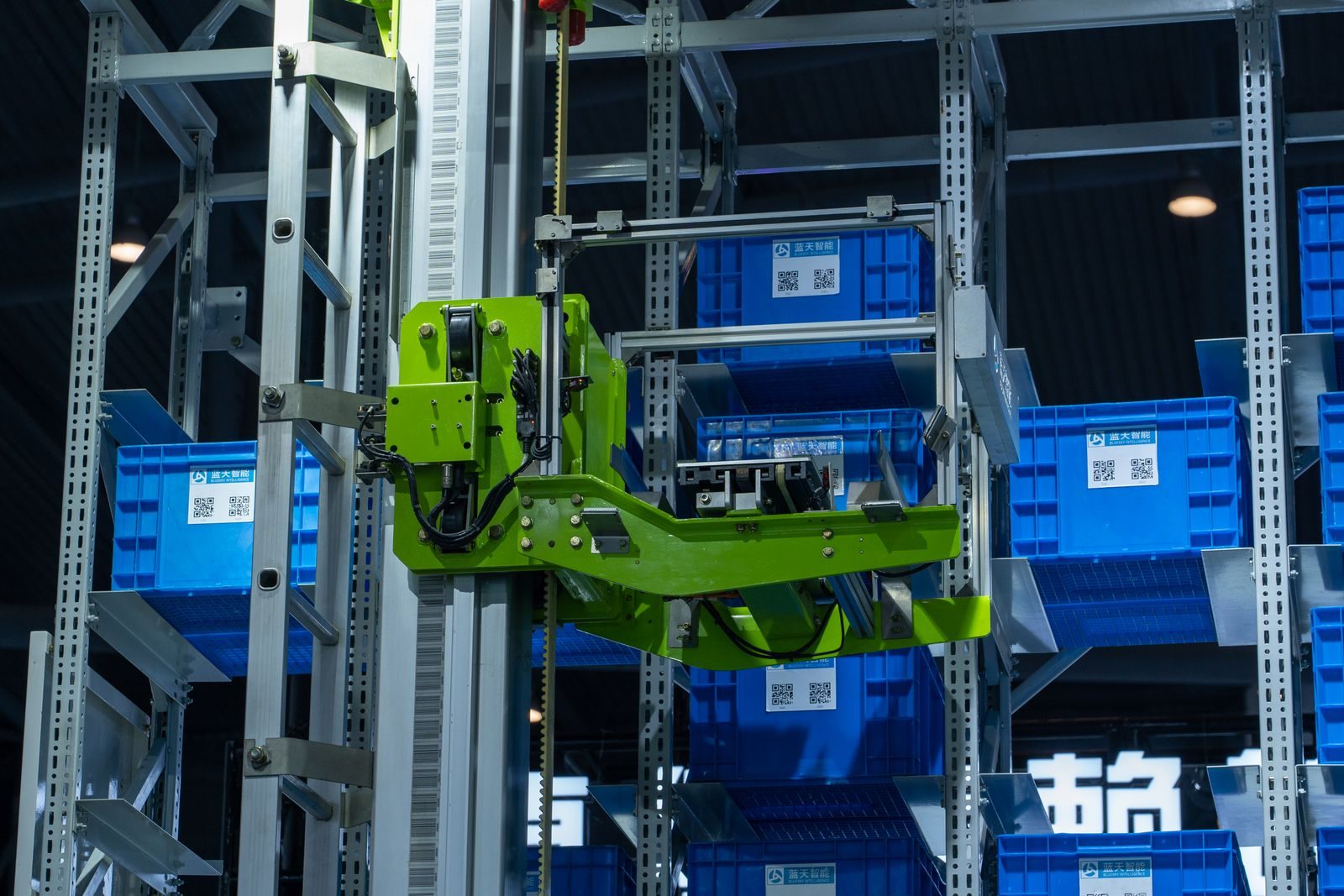
Layout and slotting reduce travel; equipment reduces handling. Goods-to-person systems, conveyors and automated sortation remove walking and carrying altogether, but they carry a capital cost that has to be justified against the labour they replace. The justification is only credible once the operation is already well laid out, because automation amplifies a good process and a bad one equally.
The automation decision also has to size the system on the real profile - peak rate, parcel or tote mix, and destination count - rather than on a demo figure. Suppliers such as TrueLiSort, which builds parcel sorting systems and automated lines, normally want to run a sizing study on your actual data for exactly that reason: the mix, not the average, decides whether the equipment earns its place.
Measuring whether it worked
The metrics that show whether a layout change helped are travel per order, lines per hour, and the proportion of replenishments done within the shift rather than during peak picking. Measuring them before and after is what turns a layout opinion into a decision.
The useful discipline is to measure the operation as it is, change one thing, and measure again. A slotting change, a zoning change and a new pick path made together cannot be told apart; made one at a time, each can be justified or reversed on its own numbers.
References
The setting the design sits inside is described under warehouse, and the systems that hold the positions and routes under warehouse management system. The identifiers that make a location addressable in a pick path come from barcoding, and the equipment that reduces handling further is described under sortation within the wider conveyor system it usually runs on.
| Lever | What it changes | Cost to apply | Typical effect |
|---|---|---|---|
| Slotting by velocity | Distance to the fastest movers | Low - labelling and moves | Cuts travel directly |
| Location sizing by cube | Replenishment frequency | Low - re-slot only | Fewer interruptions at peak |
| Zoning | Walk per picker | Low to mid - process change | Helps large or wide buildings |
| Pick-path design | Route through the aisles | Low - system settings | Removes backtracking |
| Goods-to-person / sortation | Handling and walking | High - capital | Only pays on a good layout |
What is the first thing to fix in a pick operation?
Slotting, almost always. Analysing picks by SKU and moving the small set that accounts for most of the volume closer to despatch shortens travel without moving a rack. It is cheap, reversible and produces the pick-frequency data that any later automation case needs.
Does zoning always shorten picking?
No. Zoning splits an order across pickers, which shortens each walk but adds consolidation. It tends to pay in wide buildings and on larger or multi-line orders, and it can cost more than it saves on small single-line orders. Measure before and after rather than adopting it as a rule.
Should I automate before or after I fix the layout?
After. Automation amplifies whatever process it is given, so automating a poorly laid-out operation locks in the inefficiency and makes it harder to see. Fix slotting, zoning and the pick path first; the case for equipment is then built on real data and is far easier to justify.